


Russia–India–China (RIC) Dynamics in the BRICS 2026 Context
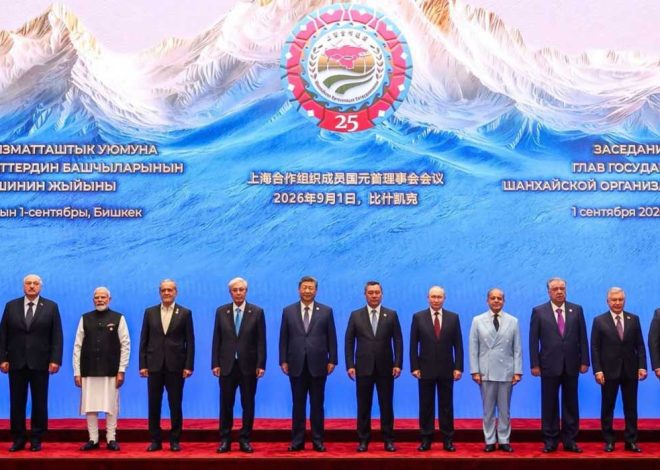
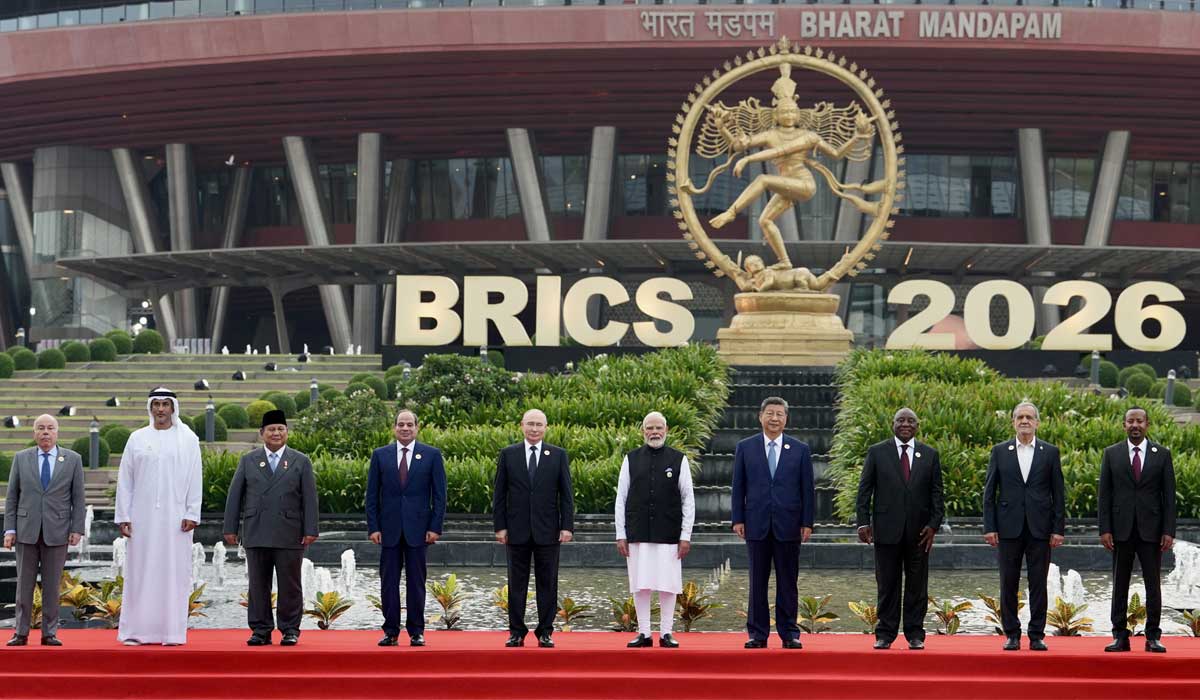
The 18th annual BRICS Summit is being held at Bharat Mandapam in New Delhi, India, from September 12–13, 2026, under India's fourth chairship of the bloc. Chaired by PM Modi, the two-day high-level meeting focuses on building resilience, innovation, cooperation, and sustainability that together constitute its four pillars. Amidst many political and economic agendas being raised and discussed, the “2026 BRICS Summit in New Delhi” has sparked discussions around the strategic significance of the Russia–India–China (RIC) relationship. The confluence of Prime Minister Narendra Modi, Russian President Vladimir Putin, and Chinese President Xi Jinping brings us to think about whether the RIC framework can become an important instrument of multipolar diplomacy. Taking note of the fact that the trilateral countries remain major role players in Eurasia but are marked with both cooperation and significant strategic differences, their roles must be scrutinized carefully.
Russia, India, China - The Trilateral Context
With the emergence of the concept in the 1990s, the convergence of the three nations envisaged cooperation among Russia, India, and China to encourage a more balanced, multipolar international system—primarily as an alliance free from military and political intentions.Rather, it provided a platform through which the three countries could exchange views on international security, economic cooperation and global governance. Come BRICS Summit 2026, the relevance of trilateral confluence is seen increasing given the backdrop of US-Iran war. Besides, The expansion of BRICS has also provided a broader institutional setting in which India, Russia and China can pursue common interests alongside other major countries of the Global South.
Russia-India-China and BRICS 2026
Noticeably, India's 2026 BRICS Chairship has given the RIC dynamic renewed diplomatic visibility. As New Delhi Declaration places a great emphasis on dialogue, diplomacy, multilateralism and greater representation for developing countries the approach for RIC nations becomes all the more significant because all three have an interest in a world order in which major powers have greater strategic autonomy and developing countries have a stronger voice in global institutions. Nevertheless, RIC’s approach and emphasis on developing nations must not corner it to an anti-west bloc. Since beginning, India has consistently sought to guard its autonomy and maintain productive relations with the multiple centres of power. The 2026 BRIC Summit under India’s chairship demonstrates this approach even more pragmatically rather than turning the grouping into a geopolitical alliance.
India–Russia: A Stable Strategic Partnership
At a time when Russia's relations with Western nations are still very tense, this partnership provides India with a crucial avenue for communication with Moscow. India is a significant Asian partner and market for Russia, and the two countries' relationship supports Russia's larger goal of upholding a variety of international alliances.
Russia continues to be a key component of India's foreign policy framework. Defence, energy, space, nuclear cooperation, trade, and technology are just a few of the areas where India and Russia continue to collaborate. Modi and Putin reviewed bilateral cooperation and talked about infrastructure, energy, economics, and other areas of interaction during the 2026 BRICS Summit. In resolving international disputes, India also reaffirmed its preference for communication and diplomacy.
India–China: Cooperation Amid Competition
As far as India-China relations are concerned, their complications cannot be ignored. The two countries are simultaneously economic partners, regional competitors and participants in common multilateral institutions.The 2026 BRICS Summit provided an important opportunity for India and China to improve bilateral communication. Prime Minister Modi and President Xi Jinping held bilateral discussions in New Delhi, with both sides stressing the importance of preventing differences from becoming disputes and maintaining peace along the border. The talks also addressed economic and trade relations and the need for greater strategic communication.
This development does not eliminate the underlying differences between the two countries. The unresolved boundary question, trade imbalances, regional competition and differing strategic interests will continue to influence their relationship. Nevertheless, greater communication can reduce the risk of confrontation and create space for cooperation in areas of mutual interest.
Analysing China and Russia: Growing Strategic Convergence
Russia and China have developed increasingly close strategic relations, particularly amid changes in the global balance of power.
For India, Russia's growing dependence on China presents both opportunities and challenges. On one side where India benefits strongly from its ties with Moscow, on the other side it is equally important for India to be sufficiently independent of the Russia–China partnership.
The RIC framework therefore provides India with an additional diplomatic channel. Rather than choosing between Moscow and Beijing, India can use multilateral platforms to encourage communication while protecting its own national interests.
RIC :Component of a Multipolar Order
The potential contribution of RIC to a multipolar international order is more significant in BRICS 2026 than the prospect of establishing a formal trilateral alliance.China, India, and Russia have significant political, geographic, demographic, and economic clout. Their collaboration may facilitate conversations about:
overhaul of organisations involved in global governance;
increased representation of developing nations;
stability of finances and foreign trade;
food and energy security;
resilience of the supply chain and connectivity;
climate change and sustainable growth;
technology and digital collaboration; and
peaceful settlement of international conflicts.
Limitations of the RIC Framework
Despite its potential, RIC faces considerable structural limitations.
First, India and China remain strategic competitors. Differences along the Himalayan border and wider geopolitical competition cannot be overcome simply through participation in multilateral forums.
Second, Russia's increasingly close relationship with China has changed the strategic balance within the triangle. Moscow and Beijing often share positions on international issues, whereas India maintains a more independent approach.
Third, the three countries do not always share identical views on the international order. India seeks strategic autonomy and a diversified network of partnerships, including relations with the United States, Europe, Japan and other countries. Russia and China, meanwhile, often place greater emphasis on challenging what they perceive as Western dominance.
Consequently, RIC is unlikely to evolve into a tightly integrated political bloc.
India's Strategic Opportunity
For India, the revival of RIC should therefore be approached pragmatically. New Delhi can use the framework to maintain dialogue with both Moscow and Beijing without compromising its independent foreign-policy choices.
The 2026 BRICS Summit demonstrates the value of this approach. India was able to engage simultaneously with Russia and China while positioning BRICS as a platform for cooperation among diverse countries rather than as an anti-Western alliance. Prime Minister Modi's emphasis on a greater role for the Global South reinforces this strategy.
RIC can consequently function as a nested diplomatic mechanism within the wider BRICS and SCO architecture. Cooperation does not require complete strategic convergence. Instead, it can focus on areas where interests overlap while allowing disagreements to be managed through dialogue.
The 2026 BRICS Summit has demonstrated that the RIC framework remains diplomatically relevant, even though its revival should not be interpreted as the emergence of a new geopolitical alliance.
For India, RIC is valuable primarily as a mechanism for strategic communication, multipolar diplomacy and management of competition. Its success will depend on whether the three countries can separate areas of cooperation from areas of disagreement. The future of RIC will therefore not be determined by the symbolism of meetings among Modi, Putin and Xi alone. Its real significance will depend on whether India, Russia and China can translate political dialogue into practical cooperation while respecting their different national interests.
In the broader BRICS 2026 context, RIC represents an important example of India's preferred diplomatic approach: engage widely, cooperate where possible, manage differences peacefully and preserve strategic autonomy. Rather than becoming an exclusive bloc, RIC can contribute to the larger objective of building a more representative, balanced and multipolar international system.
About the Author