

The importance of India-Indonesia bilateral cooperation in a changing world order
Indonesian Trade Minister, Budi Santoso while speaking at the BRICS Trade Ministers' meeting held in Jaipur, on August 6-7, said: “Indonesia stresses the importance of maintaining a rules-based multilateral trading system
through a strong, inclusive and adaptive WTO. At the same time, the BRICS need to continue delivering concrete cooperation that directly benefits the growth of developing countries,”.
This clearly underscores the pragmatic and balanced approach of Indonesia towards multilateralism while being cautious of the changing global landscape and its impact on developing countries. Current Indonesian President Prabowo Subianto has essentially continued with the foreign policy of his predecessors, while making the necessary tweaks and adjustments, given the changes which are taking place in the global economic and geopolitical environment.
India-Indonesia ties: Bolstered by similar foreign policy approaches
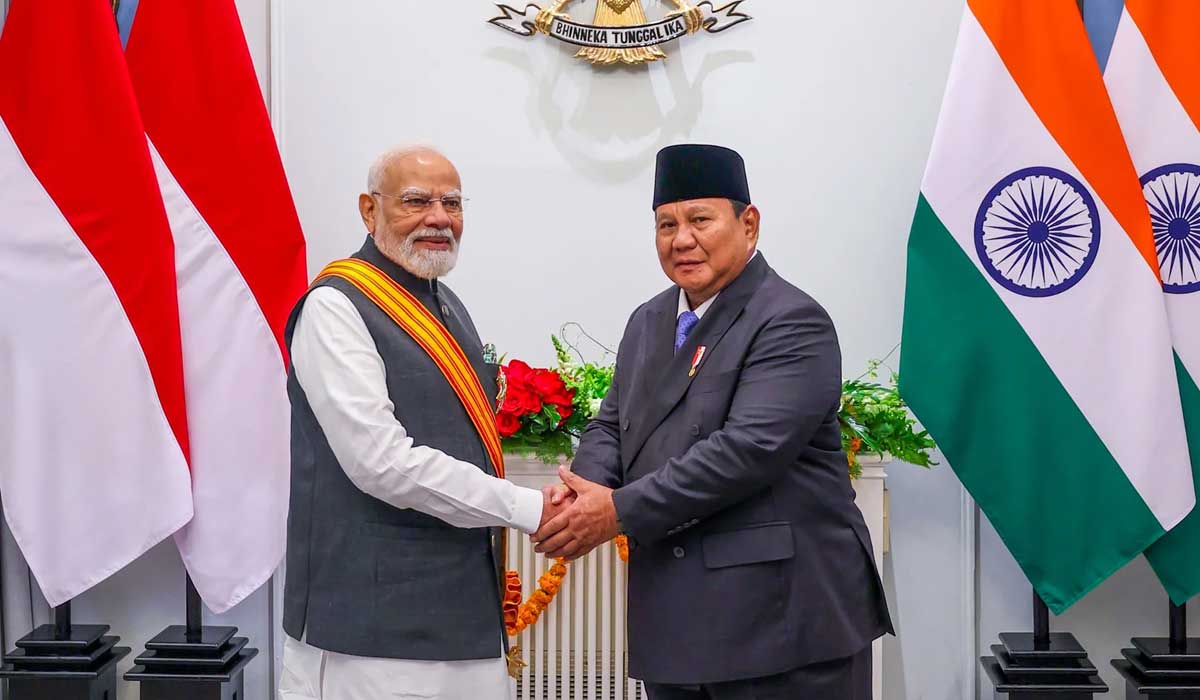
While many commentators and analysts argue that the India-Indonesia relationship is way below its actual potential, one of the important binding factors between India and Indonesia has been the emphasis of both countries on following a balanced foreign policy, while giving priority to the voice of developing countries. During his visit to Indonesia in July 2026, PM Narendra Modi also invoked the important role of both countries in the Non-Aligned Movement (NAM) and underscored how at the Bandung Conference the then PM Jawahar Lal Nehru and Indonesian President Sukarno sent a strong message “that independent nations have the sovereign right to make their own decisions,”.
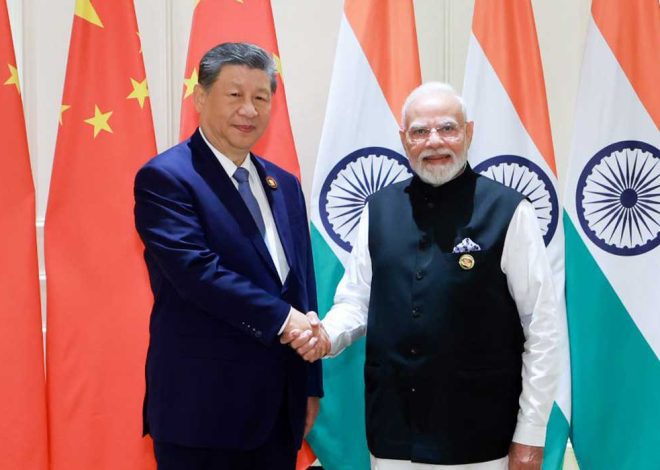
During PM Modi’s visit several important agreements were signed to upgrade the bilateral relationship and to strengthen economic and strategic ties. Both India and Indonesia while maintaining good relations with the west have been raising issues pertaining to the Global South – including reform of the existing international economic architecture. Several commentators and analysts have made the argument that both countries are important bridges
between the G7 and the Global South.
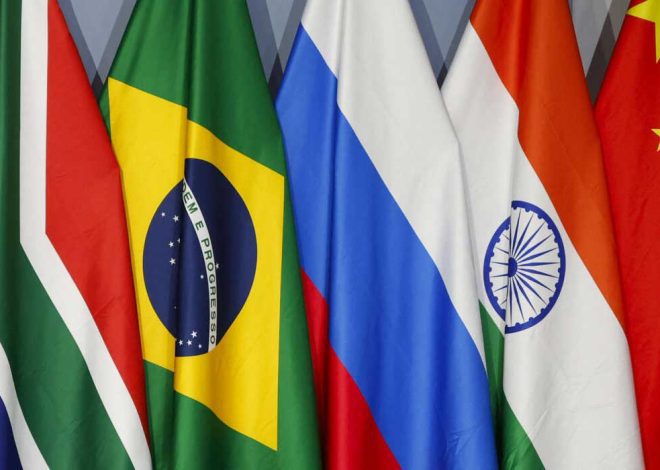
India and Indonesia and BRICS
Indonesian Vice Finance Minister, Juda Ajung and India’s Finance Minister Nirmala Sitharaman met on the sidelines of the BRICS Finance Ministers meeting (Indonesia had entered BRICS as a full time member in January 2025 and India holds the BRICS Presidency in 2026). The Indonesian Vice Finance Minister and Sitharaman reiterated the important role of both countries in the Global South. Several potential areas of cooperation including trade in local currency were discussed. During PM Modi’s Indonesia visit one of the important agreements signed was to link the UPI and Indonesia’s QRIS (Quick Response Code Indonesia Standard).
This could give a boost to bilateral economic and people to people relations and is important in the BRICS context where several members are in favour of giving a push to trade in local currencies. Between April 2025 and February 2026, bilateral trade between India and Indonesia was estimated at $22.72 billion.
Conclusion
Given their growing bilateral relationship and convergences on issues pertaining to the Global South, both India and Indonesia are likely to play an important role not just in the BRICS organisation, but in the changing global order. The upcoming BRICS Summit, to be held on September 12-13, in New Delhi, is likely to be impacted by the conflict in West Asia as well as growing economic uncertainty. India needs to work closely with other members
including Indonesia to successfully push intra BRICS trade linkages and cooperation in areas like environment, health, technology and education.
About the Author