




India and the Escalation in the Middle East: A Diplomatic Balance in Times of Crisis
With the escalation of tensions in the Middle East and the outbreak of military confrontations linked to the war with Iran, India finds itself facing a delicate diplomatic test of its ability to manage its complex network of international relations in one of the world’s most sensitive regions—a region of paramount strategic importance to its economic and security interests.
From the outset of the crisis, New Delhi adopted a discourse based on calls for de-escalation and restraint, emphasizing the importance of diplomatic solutions and maintaining regional stability. This stance not only reflects the constants of Indian foreign policy but also demonstrates a deep understanding of the magnitude of the risks that could result from any large-scale escalation in the region.
A Policy of Balance: A Diplomatic Legacy Renewed
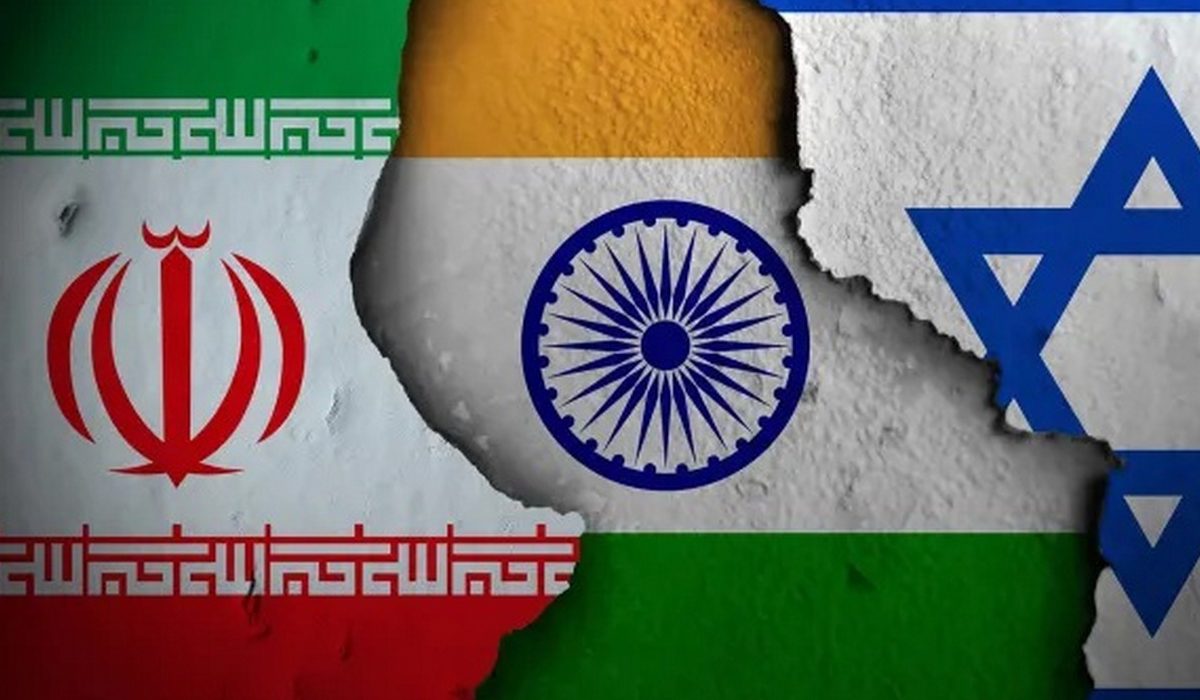
India has always adopted a balanced approach in its international relations, which is clearly evident in its handling of the current crisis. On the one hand, it maintains growing strategic relations with Israel, encompassing defense and technology. On the other hand, it preserves historical ties with Iran, particularly in the areas of energy and regional connectivity.
This balance reflects what can be described as "active neutrality," whereby New Delhi seeks to maintain channels of communication with various parties, enabling it to play a constructive role in supporting regional stability.
Energy Security: A Strategic Priority
Energy security remains a key determinant of India's stance on current developments, as the country relies on oil imports from the Middle East to meet a significant portion of its needs. Therefore, any disruption to supplies or a sharp rise in prices directly impacts the domestic economy.
With escalating tensions, concerns have arisen regarding supply disruptions, particularly given the sensitivity of vital shipping lanes such as the Strait of Hormuz. In this context, New Delhi has taken proactive steps to bolster its strategic reserves and diversify import sources, ensuring the stability of the domestic market and mitigating the impact of global fluctuations.
People First: Protecting Expatriate Communities
In addition to economic considerations, India places particular emphasis on the safety and security of its citizens abroad. Millions of Indians reside in the Gulf states, and their remittances constitute a pillar of the national economy.
Amid the escalating crisis, the Indian government intensified its efforts to monitor the situation of its expatriate communities and provide them with necessary support, while remaining prepared to undertake evacuation measures if needed. This reflects a firm commitment to protecting its citizens wherever they may be.
Internal Consensus and Institutional Response
Internally, the handling of the crisis reflects a high degree of coordination among state institutions, along with broad political consensus on the importance of protecting national interests at this critical juncture. This consensus has contributed to the government's ability to make swift and effective decisions in addressing the repercussions of the crisis.
A Potential Role in Supporting Stability
Given its balanced relations with various parties, India possesses the capabilities to play a supportive role in de-escalation and stability efforts, whether through diplomatic channels or multilateral frameworks. This role reinforces India's position as a rising international power seeking to contribute responsibly to the management of global crises.
Ultimately, the developments of the current crisis in the Middle East reveal clear features of India's foreign policy approach, which is based on balance, pragmatism, and a commitment to peaceful solutions.
In a world increasingly polarized, this approach seems more important than ever, not only to protect national interests, but also to contribute to strengthening regional and international stability.
About The Author