


Modi at the G7: India’s Voice for Global Cooperation Resonates from Évian
As Global Challenges Intensify, India Strengthens Its Role as a Bridge Between Nations
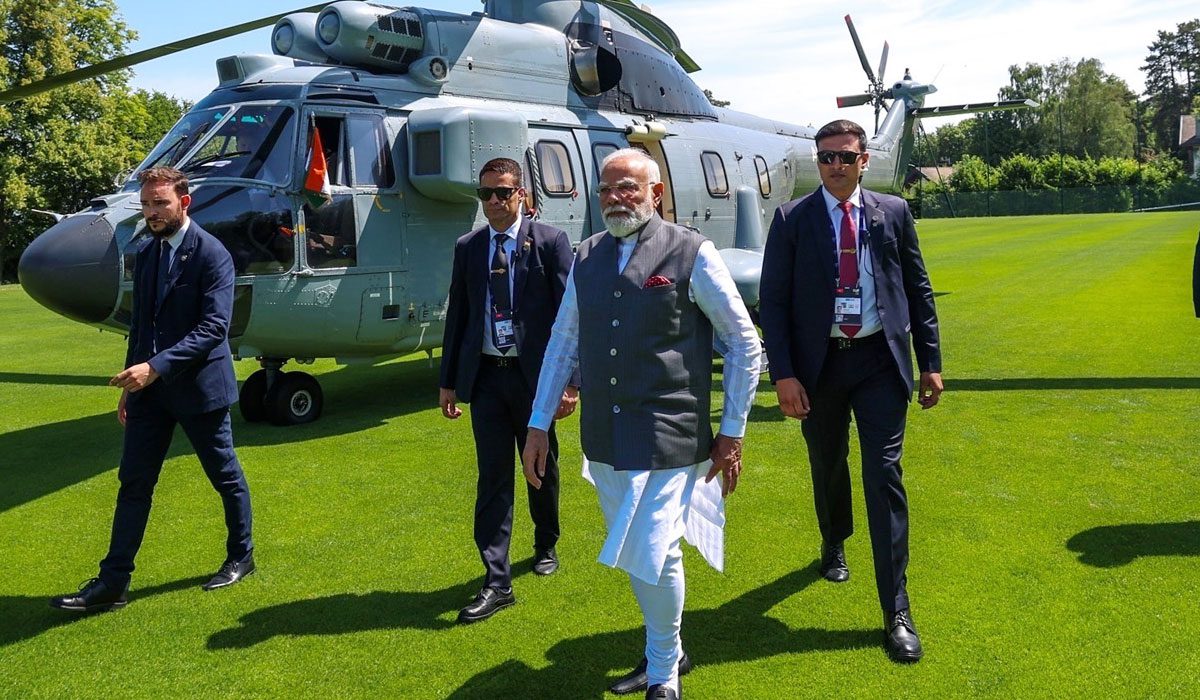
In an era marked by geopolitical uncertainty, economic realignments, climate concerns, and technological transformation, the world is increasingly looking toward collaborative leadership. Against this backdrop, Prime Minister Narendra Modi’s arrival in Évian, France, for the G7 Summit underscores India’s growing influence in shaping international dialogue and advancing collective solutions to shared global challenges.
As leaders from the world’s leading economies gather to discuss pressing issues ranging from sustainable development and energy security to artificial intelligence and international peace, India’s participation reflects its evolving status as a key stakeholder in global governance. Invited once again to the prestigious summit, Prime Minister Modi is expected to articulate not only India’s priorities but also the aspirations of the wider Global South, whose voices are becoming increasingly important in international policymaking.
India at the Center of Global Conversations
The G7 Summit comes at a critical moment for the international community. Ongoing conflicts, economic disruptions, climate vulnerabilities, and emerging technological challenges require unprecedented levels of cooperation among nations. India’s presence at the summit highlights the recognition of its strategic importance as one of the world’s fastest-growing major economies and a leading advocate for inclusive development.
Prime Minister Modi’s participation marks another milestone in India’s sustained engagement with the G7 framework. Over the years, India has emerged as a trusted partner capable of bridging divides between developed and developing nations, while championing multilateral solutions to complex global issues.
Championing the Global South
A defining feature of India’s recent diplomatic outreach has been its commitment to representing the concerns of developing countries. From climate financing and food security to equitable access to technology and sustainable development, India has consistently emphasized the need for a more balanced and inclusive international order.
At the Évian summit, India is expected to reinforce the importance of ensuring that global decision-making reflects the interests of all nations, not just the world’s largest economies. This approach aligns with New Delhi’s broader vision of fostering cooperation that promotes prosperity, stability, and sustainable growth across regions.
Strengthening Strategic Partnerships
Beyond multilateral discussions, the summit provides an important platform for bilateral engagements. Prime Minister Modi is expected to hold high-level meetings with several world leaders, focusing on strengthening economic cooperation, expanding trade opportunities, enhancing technological collaboration, and addressing regional and global security concerns.
Such engagements are increasingly significant as nations seek reliable partnerships in an evolving geopolitical environment. India’s growing network of strategic relationships reflects its commitment to constructive diplomacy and mutually beneficial cooperation.
Sustainability and Innovation in Focus
As the world accelerates efforts toward a greener future, sustainability remains central to international discussions. India has positioned itself as a global leader in renewable energy, climate action, and sustainable development initiatives. The summit offers an opportunity to further advance cooperation on clean energy transitions, resilient infrastructure, and climate adaptation strategies.
Equally important is the growing focus on artificial intelligence and emerging technologies. With digital transformation reshaping economies and societies worldwide, India is expected to contribute actively to conversations on responsible innovation, ethical governance, and equitable access to technological advancements.
A Defining Moment for Global Leadership
Prime Minister Modi’s participation in the G7 Summit is more than a diplomatic engagement; it symbolizes India’s expanding role in addressing the defining challenges of the 21st century. As nations navigate a rapidly changing world, India’s emphasis on dialogue, inclusivity, sustainability, and international cooperation continues to resonate across continents.
From the shores of Évian, the message is clear: meaningful global progress requires collective action, shared responsibility, and leadership that bridges divides rather than deepens them. As the summit unfolds, India’s voice is expected to remain a significant force in shaping conversations that will influence the future of international relations and global development.