


Modi’s Historic Slovakia Visit Signals a New Era in India–Europe Relations
From Bratislava to the Global Stage, India Deepens Its Strategic Footprint in Central Europe
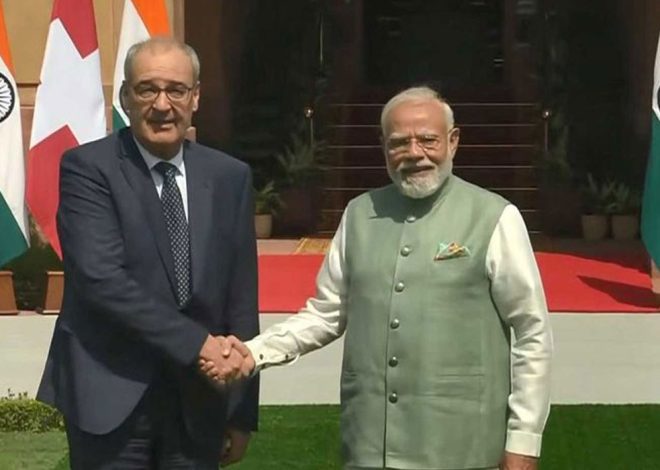
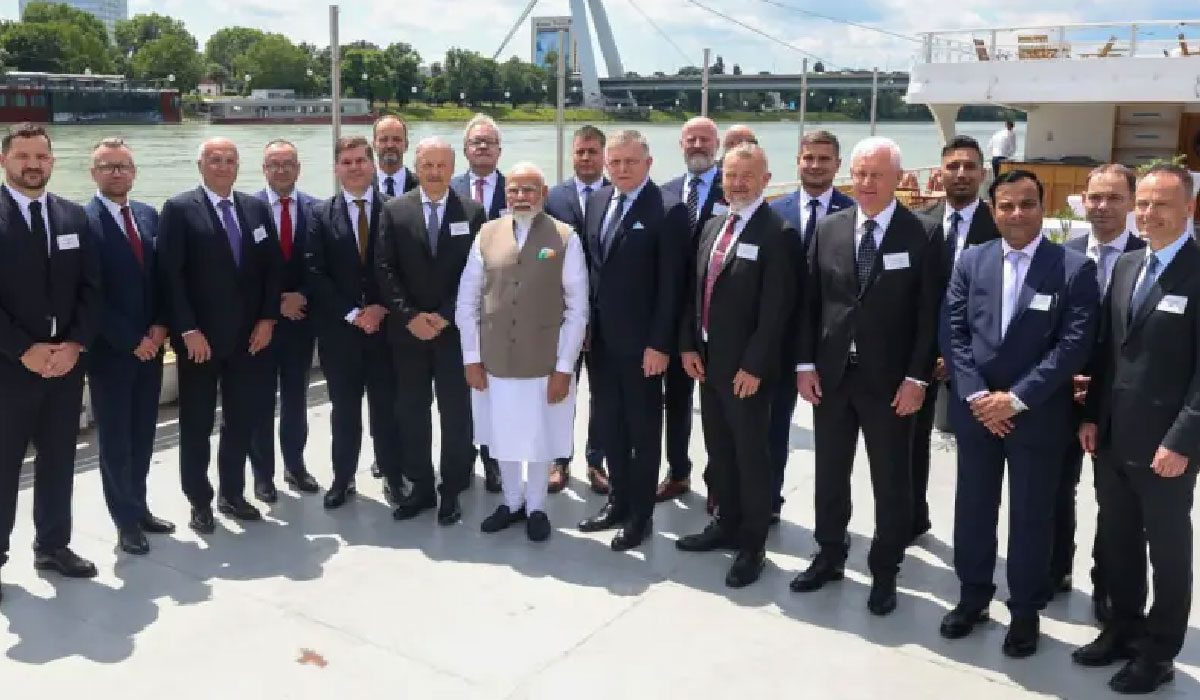
Prime Minister Narendra Modi concluded his landmark visit to Slovakia on June 16, 2026, describing it as “historic and productive” – a characterization that accurately reflects the significance of a journey poised to reshape bilateral relations between India and one of Central Europe’s most dynamic economies.
The visit was historic in every sense. It marked the first visit by an Indian Prime Minister to Slovakia since the country’s independence in 1993 and signaled India’s growing commitment to strengthening partnerships across Europe beyond its traditional diplomatic corridors.
More importantly, the visit produced tangible outcomes that elevated India–Slovakia relations to a new level of strategic engagement.
A Comprehensive Partnership for the Future
At the heart of the visit was the decision by India and Slovakia to elevate their bilateral relationship to a Comprehensive Partnership, reflecting a shared ambition to expand cooperation across political, economic, technological, and strategic domains.
The move represents a significant milestone in India’s engagement with Central Europe and highlights the growing convergence of interests between New Delhi and Bratislava. As global geopolitical and economic dynamics continue to evolve, both nations are seeking diversified partnerships capable of generating long-term opportunities and resilience.
The upgraded relationship is expected to provide an institutional framework for deeper collaboration in areas ranging from trade and innovation to defence and emerging technologies.
Expanding Strategic Cooperation
One of the notable outcomes of the visit was the strengthening of defence cooperation. India and Slovakia signed a Letter of Intent aimed at enhancing collaboration in the defence sector, opening new possibilities for industrial partnerships, technology exchange, and security cooperation.
In addition, both sides identified opportunities for collaboration in artificial intelligence, digital technologies, space applications, advanced manufacturing, and civil nuclear energy sectors that are increasingly shaping the future of global competitiveness.
The emphasis on innovation-driven cooperation reflects a modern diplomatic approach focused not only on traditional statecraft but also on technological and economic transformation.
Building Bridges Through Talent and Education
The visit also placed strong emphasis on people-to-people connectivity.
Several agreements were signed in the fields of education, research, talent mobility, and cultural cooperation. A Memorandum of Understanding on labour migration aims to facilitate safe, legal, and orderly movement of skilled professionals, creating new opportunities for workforce collaboration between the two countries.
As Europe faces growing demand for skilled talent and India continues to emerge as a global talent powerhouse, such initiatives have the potential to generate substantial mutual benefits.
Educational partnerships, research exchanges, and institutional collaborations are expected to further strengthen ties between future generations of Indians and Slovaks.
A Recognition of Global Leadership
A defining moment of the visit came when Slovak President Peter Pellegrini conferred Slovakia’s highest civilian honour, the Order of the White Double Cross (First Class), upon Prime Minister Modi.
The prestigious recognition underscored the growing international acknowledgment of India’s expanding role in global affairs and reflected the warmth characterizing contemporary India–Slovakia relations.
In accepting the honour, Prime Minister Modi dedicated the award to the people of India and the enduring friendship between the two nations—a gesture that resonated strongly with both governments and the Indian diaspora.
Diplomacy Beyond Symbolism
While ceremonial events and diplomatic protocol often attract headlines, the true significance of the Slovakia visit lies in its strategic outcomes.
The agreements reached during the visit are expected to strengthen trade relations, encourage investment, promote technological cooperation, and enhance institutional partnerships. They also align with India’s broader objective of diversifying its international partnerships and deepening engagement with emerging centres of influence across Europe.
The visit demonstrated that diplomacy today is increasingly driven by practical collaboration, economic opportunity, innovation, and shared aspirations for sustainable growth.
A Gateway to Central Europe
For India, Slovakia represents more than a bilateral partner. Its strategic location within Europe, industrial capabilities, technological expertise, and membership in key European institutions make it an important gateway for expanding engagement with the wider Central European region.
As India continues to strengthen its global partnerships, relationships with countries such as Slovakia will play an increasingly important role in shaping future economic and strategic cooperation.
Next Phase of Engagement
Prime Minister Modi’s visit to Slovakia may have concluded, but its impact is only beginning to unfold.
The elevation of bilateral ties, the signing of strategic agreements, and the goodwill generated during the visit have laid the foundation for a stronger and more dynamic partnership. More broadly, the visit reflects India’s confidence in pursuing a multidimensional foreign policy that embraces both established partners and emerging opportunities.
In a rapidly changing world, the success of diplomacy is measured not merely by meetings held or statements issued, but by the partnerships built for the future. By that measure, the historic India–Slovakia engagement stands as a notable diplomatic achievement and a promising chapter in India’s growing European story.