


The Shanghai Cooperation Organisation: Expanding Regional Influence
Initial strategic motives
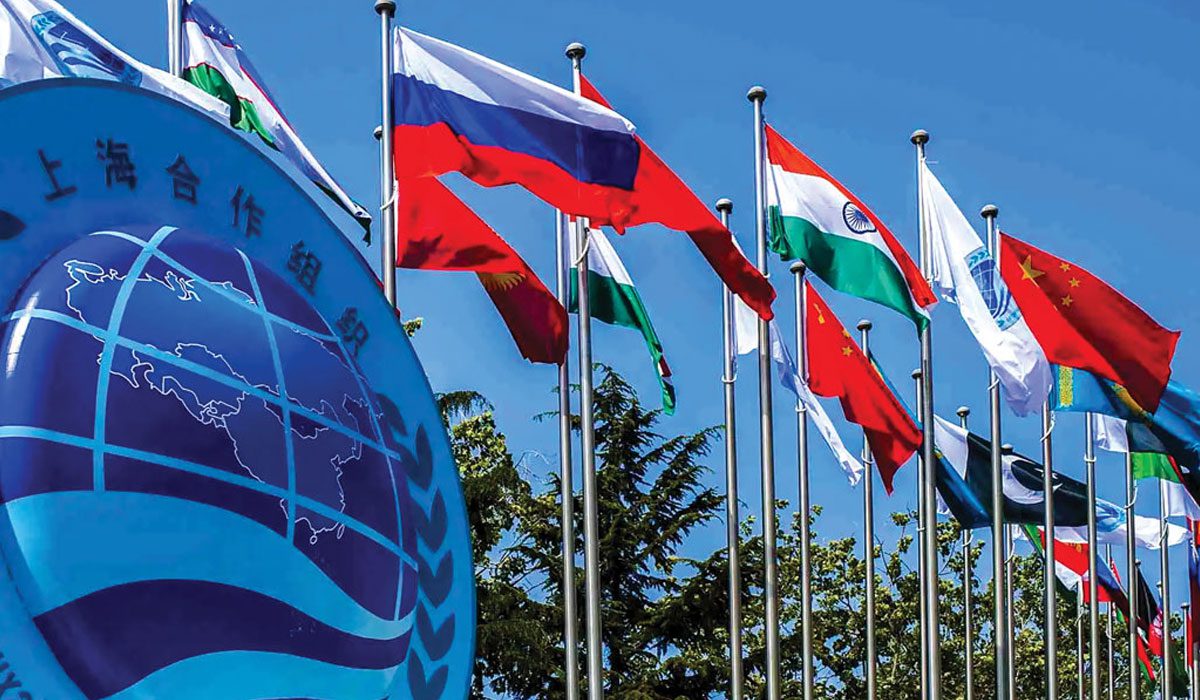
The Shanghai Cooperation Organzation (SCO) was initiated by China and Russia sand that is why Russian and Chinese were the only working languages of the organization. Both China and Russia planned to create a strategic bloc with countries binded by boundaries in the Euasian Region. Russia intended to use the SCO for replacing the former Soviet Union or even the weak CSTO (Collective Security Treaty Organization). China, on the other hand, hoped this platform can combat those radicals and militants in the region, preventing disorder caused to its western border, in particular, the Xinjiang Autonomous Region. After the launching the One Belt One Road Initiative (BRI), the role of SCO has changed from perspective of China. Beijing intended to use the SCO to provide security measures among its members to promote stability for all projects along the BRI.
SCO and BRI
Indeed, Russia does not have much interest in the BRI because Moscow worries that the expansion of BRI will weaken Russian influence in the region, in particular, Central Asia. However, as nations in Central Asia are more interested in economic development security, they will align with China's policies within the SCO. This has made SCO less a military alliance against the West but more akin to project for fostering cross-border security. Since BRI is not restricted to Central Asia, more nations were also admitted to SCO such as Iran and India. I think this was due to China factor rather than the Russia factor. Iran is notable because it can provide stable energy flow for sustaining the BRI. Economic factors have become more and more relevant for the function of SCO. This is due to influence from Beijing, not from Moscow.
Expanding influence to economic security in the region
After the outbreak of Russia-Ukraine War and US-Iran war, the concept of security has been broadened. Economic development and national survival are linked closely. Nations such as Cuba, Iran have become alert that improving economic well-being is essential to counter foreign intervention. This will contribute to change of the function of SCO. Some members and even partners of SCO will use this as a club not merely for common security concerns but as a hub to bridge economic cooperation with security policies. As a result, this will drive the overall significance of SCO in regional economic collaboration, in particular, those fields essential for board security objectives.
About the Author