


Sitharaman’s North American Mission: India Takes Its Economic Diplomacy to the World
From Canada’s boardrooms to the G20 and Wall Street, India puts investment, innovation and economic partnerships at the centre of its global outreach
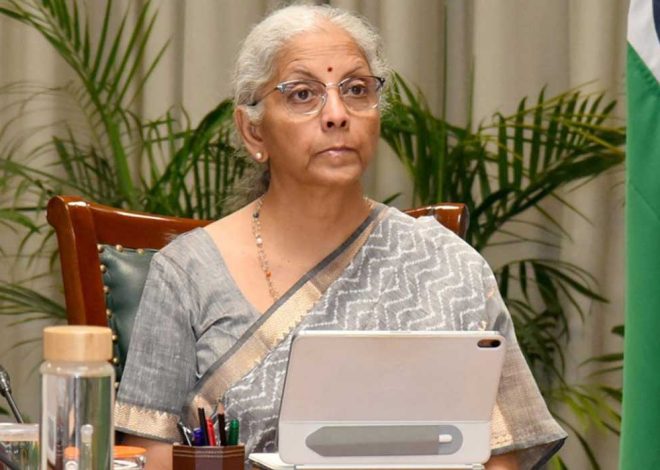
Union Finance and Corporate Affairs Minister Nirmala Sitharaman begins a nine-day official visit to Canada and the United States today, travelling from August 25 to September 2 with an agenda that places economic diplomacy at the centre of India’s international engagement. The visit will focus on strengthening bilateral economic and financial partnerships, attracting investment and advancing cooperation on shared global economic priorities.
Her first destination will be Toronto, where she is scheduled to participate in the inaugural India–Canada Economic and Financial Dialogue with Canada’s Finance and National Revenue Minister François-Philippe Champagne on August 27. Discussions are expected to cover macroeconomic developments, financial-sector cooperation, investment and opportunities in areas including energy, artificial intelligence, critical minerals and resilient supply chains. Progress toward a Comprehensive Economic Partnership Agreement (CEPA) will also be an important part of the economic agenda.
The visit comes at an important moment in India–Canada relations. After a period of political strain, both countries are seeking to rebuild engagement around practical areas of mutual interest. Trade between the two countries reached approximately US$8.66 billion in 2025, and the current focus on investment, critical minerals and technology suggests that the relationship could increasingly be driven by economic interests.
Sitharaman will also meet Canadian investors and business leaders, giving India an opportunity to present itself as a destination for long-term capital and manufacturing investment.
From August 28, the Finance Minister will begin the U.S. leg of her visit, covering Chicago, Asheville and New York. In Chicago, she will meet investors and senior corporate executives and discuss India’s economic outlook, investment opportunities and potential areas for stronger business partnerships. She will also visit the Polsky Center for Entrepreneurship and Innovation at the University of Chicago, highlighting India’s interest in entrepreneurship, technology commercialisation and innovation.
The most significant multilateral engagement will take place in Asheville, North Carolina, where Sitharaman will lead India’s delegation to the G20 Finance Ministers and Central Bank Governors meeting under the U.S. G20 Presidency from August 31 to September 1. This gives India a platform to participate directly in discussions shaping the global economic agenda.
Her final stop will be New York, where she is scheduled to meet financial-sector leaders and investors and engage with global capital-market institutions.
The significance of this journey goes beyond a ministerial visit. India is increasingly using economic diplomacy as an instrument of national strategy—to attract capital, secure technology, strengthen supply chains, expand market access and position itself within the emerging global economic order.
The Canada and U.S. legs also demonstrate two complementary dimensions of India’s approach: bilateral economic engagement and multilateral economic leadership.
At a time when tariffs, supply-chain disruptions, technology competition and geopolitical tensions are reshaping international commerce, India’s ability to attract investment while maintaining strategic autonomy will be increasingly important.
Sitharaman’s North American mission therefore carries a larger message: India is not merely participating in the global economy; it is seeking a greater role in shaping the economic partnerships and institutions that will define the next decade.