



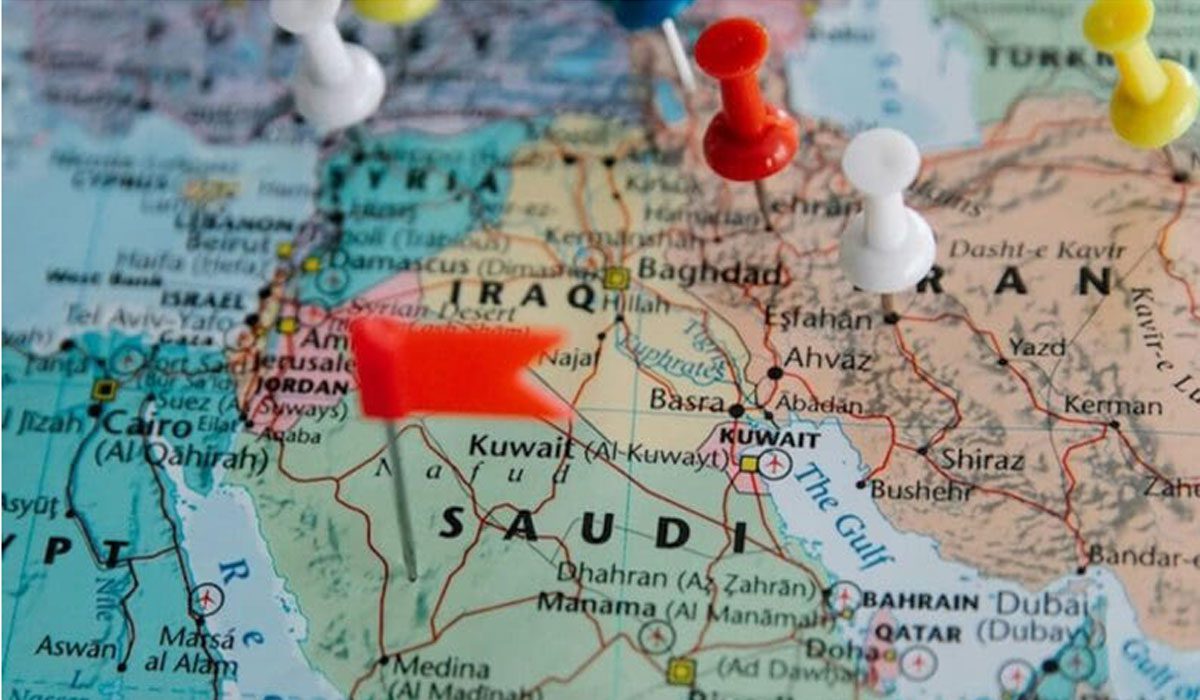
The New Middle East: Diplomacy, Economic Diversification and Regional Stability
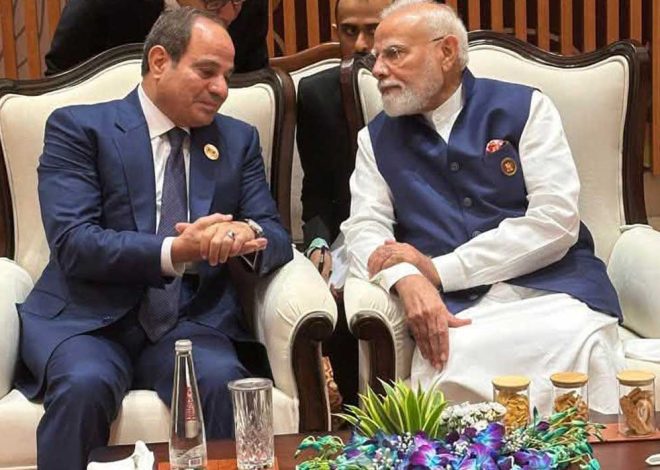
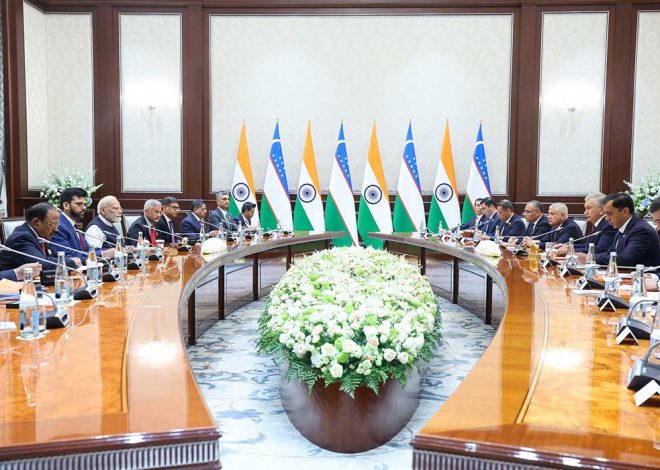
The Middle East is going through one of its most important periods of transition in history. For decades, political and military tension and proxy wars have surrounded the area, and it is now slowly moving towards a new paradigm: diplomacy, economic diversification and stability are now the new means of regional long-term development. The region remains full of political and security issues and sustainable prosperity can only be achieved with cooperation, resilience and long-term economic reforms. Pragmatic diplomacy is one of the features of this new regional order. In the Middle East, the countries are making progress away from isolation and towards dialogue, away from rivalry towards active involvement. Diplomacy is increasingly viewed by regional leaders as a not only a crisis management tool, but a strategic one as well, to deal with competition, reduce uncertainty and protect national interest.
This diplomatic shift is an economic rather than an ideological one. It is a fact that governments recognize the importance of foreign investment, foreign trade, technological exchange and infrastructure building, which must be backed by a solid political setting. Regional diplomacy is increasingly also being tied to economic interests, with a view to collaboration in the fields of logistics, renewable energy, digital infrastructure, artificial intelligence, tourism and climate resilience. While there may be strategic competition, there are also growing incentives to keep the region stable and to protect economic growth.
Alongside this diplomatic shift, economic diversification has become a top policy priority in the Middle East. For a long time, the oil wealth stimulated spectacular economic growth. Recent volatility in global energy markets, increasing energy transition and evolving global demand have further intensified the need to diversify from oil revenues. In the region, countries have been investing heavily in knowledge-based industries, advanced manufacturing, financial services, innovation ecosystem, renewable energy, tourism and digitalization.
Some countries, like Egypt and UAE, have adopted national development strategies to transform economic priorities and promote private sector involvement, foreign investment, regulatory reform and modernization, and supporting entrepreneurship. These reforms are aimed at not only diversifying the sources of national income but also at providing jobs for the increasing population of young and educated people. Leveraging human capital development, technology and institutional reform are increasingly key aspects of the long-term economic resilience in the region.
However, diversification is not exclusively an economic goal, it also becoming a national security imperative. The economies that are heavily dependent on any single commodity are at risk of shocks, geopolitical uncertainties and volatility. Developing diversified and competitive economies boosts resilience, improves fiscal sustainability and social stability.
The third corner of this changing Middle East landscape is regional stability. Energy security, maritime trade routes, cyber resilience, food security, climate adaptation, and critical supply chains are also aspects of security today that go beyond those of military security. None of these transnational challenges can be solved through the efforts of any single state. Instead, what they require is cooperation in security issues, confidence-building activities, institutionalized dialogue and crisis management procedures. This wider concept of security is more evident in the changing regional order. Stability is not just the lack of conflict; it is also the ability of the governments to anticipate risks and manage crises and to maintain economic confidence.
To conclude, there are three forces shaping the New Middle East: a continued diplomacy aimed at coming to terms with past divisions; a push for economic diversification that creates new engines of growth; and a regional stability – not confrontation. This transformation is because the regional political economy has become more advanced, and national interests align for mutual gains. Despite the obstacles, the region now has greater than ever the opportunity to move beyond crisis management to a more resilient, inclusive and sustainable future.
About the Author