



India-Namibia Trade: Rising Commerce Opens New Export-Import Opportunities
India and Namibia are looking to unlock greater opportunities for exporters, importers and businesses as the two countries seek to expand their trade and economic partnership.
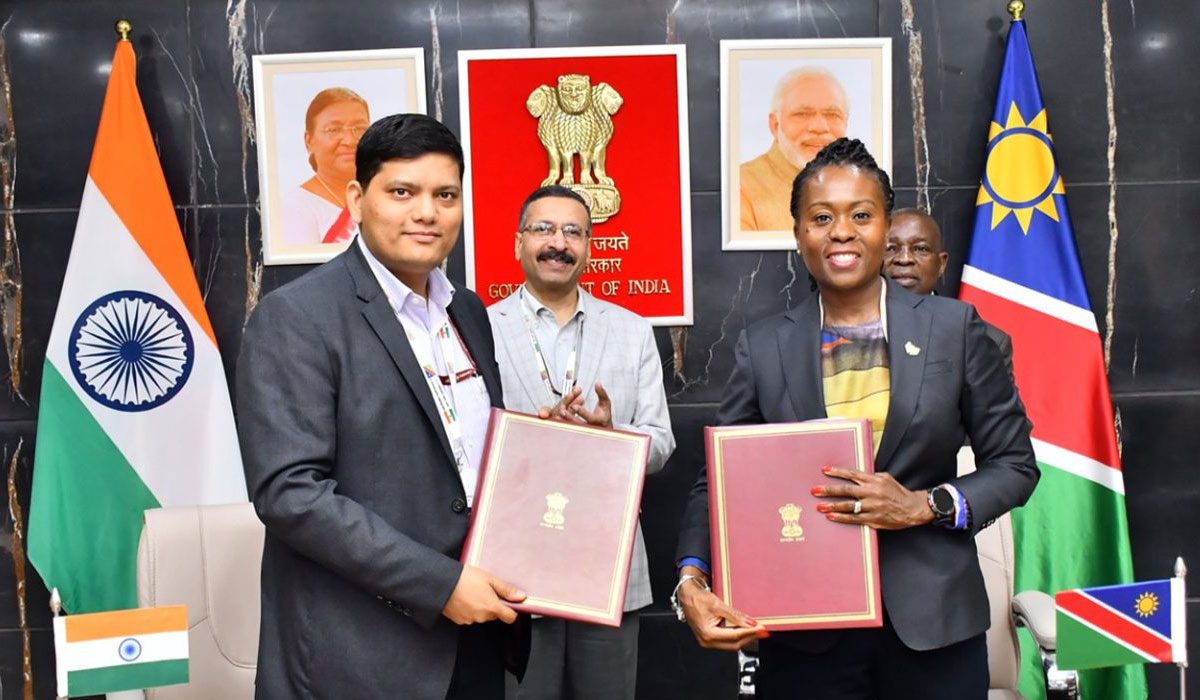
The two sides discussed ways to widen commercial engagement during the Fourth Session of the India-Namibia Joint Trade Committee (JTC) held in New Delhi on August 10 and 11. The meeting concluded with the signing of the Agreed Minutes by representatives of both countries.
Bilateral merchandise trade increased to USD 592.94 million in 2025-26, up from USD 568.40 million in the previous financial year. The rise points to growing commercial interaction and provides a stronger base for expanding two-way trade.
The JTC meeting is particularly significant for businesses seeking to explore new export and import opportunities between the two markets. Greater institutional engagement could help companies identify products with demand in each country, build supply-chain partnerships and explore new investment possibilities.
India’s delegation was led by Amit Kumar, Joint Secretary in the Department of Commerce, while Namibia was represented by Ndiitah Nghipondoka-Robiati, Executive Director in the Ministry of International Relations and Trade. Yashvir Singh, Additional Secretary in the Department of Commerce, delivered the inaugural address.
For Indian businesses, Namibia can serve as an important gateway to the wider southern African market, while Namibian exporters can explore India’s large and diverse consumer and industrial markets.
The expanding trade relationship also creates scope for cooperation beyond conventional merchandise trade, including investment, value-added processing, technology, logistics and business-to-business partnerships.
With trade approaching the USD 600 million milestone, both countries have an opportunity to move towards a broader and more diversified commercial relationship. Continued dialogue through the JTC could help reduce barriers, connect businesses and turn emerging areas of demand into concrete export-import opportunities.