


Vietnam and Myanmar Seek a New Chapter as Naypyidaw Reconnects with Southeast Asia
Min Aung Hlaing’s Hanoi visit comes as Myanmar seeks stronger regional engagement and Vietnam looks to deepen its role in ASEAN diplomacy
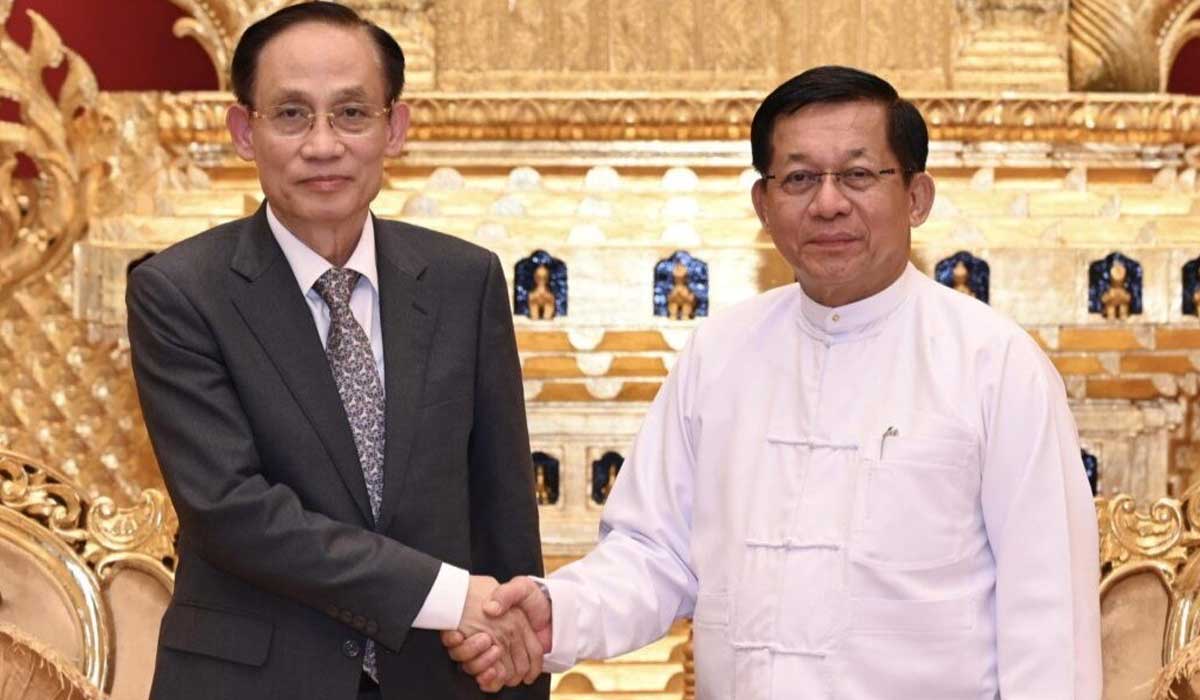
Myanmar leader Min Aung Hlaing begins a three-day official visit to Vietnam on Friday, opening a new chapter in relations between the two Southeast Asian neighbours at a time when Myanmar is seeking greater regional engagement and Vietnam is strengthening its diplomatic role within ASEAN.
The September 4–6 visit, at the invitation of Vietnamese President and Communist Party General Secretary To Lam, comes after recent diplomatic exchanges between the two countries and reflects Hanoi’s continued preference for engagement and dialogue with Myanmar.
For Naypyidaw, the timing is significant. Myanmar has faced years of political turmoil and international pressure following the 2021 military takeover. Its leadership has increasingly sought to rebuild engagement with Southeast Asian neighbours and strengthen relationships with countries willing to maintain direct diplomatic channels.
Vietnam represents an important partner in that effort.
Economic Cooperation at the Centre
Economic relations are expected to be an important part of the visit.
Vietnam and Myanmar have identified opportunities to expand cooperation in trade, investment, infrastructure, information technology, agriculture, manufacturing and digital transformation. Vietnamese companies already have interests in Myanmar, while Hanoi sees opportunities for greater commercial engagement in a market with significant infrastructure and development needs.
For Vietnam, stronger economic ties with Myanmar can support its wider regional ambitions and create opportunities for businesses seeking new markets.
For Myanmar, closer economic engagement with Vietnam could help diversify its international partnerships and attract investment at a time when the country’s economy continues to face serious challenges.
The two countries have also been working through their existing bilateral mechanisms to strengthen cooperation and identify new areas of economic engagement.
Vietnam’s ASEAN Balancing Act
The political significance of the visit extends well beyond bilateral relations.
Vietnam has generally supported maintaining diplomatic engagement with Myanmar while encouraging stability, dialogue and development. Hanoi’s approach reflects a wider ASEAN challenge: how to remain engaged with Myanmar while addressing its continuing political and humanitarian difficulties.
The visit provides Vietnam with another opportunity to reinforce that approach through direct diplomacy.
Closer engagement, however, does not necessarily mean endorsement of every policy pursued by Naypyidaw. Instead, Vietnam appears to be pursuing a pragmatic strategy that combines communication, economic cooperation and support for regional stability.
For ASEAN, maintaining channels of dialogue remains important as member states continue to seek ways to address the Myanmar crisis and prevent instability from creating wider regional consequences.
A Wider Regional Calculation
For Min Aung Hlaing, the Vietnam visit forms part of a broader effort to strengthen Myanmar’s relations with Southeast Asian neighbours.
Myanmar’s regional engagement has become increasingly important as Naypyidaw seeks greater diplomatic space and closer economic connections. Vietnam’s decision to maintain high-level engagement demonstrates the continuing importance of regional diplomacy even amid political differences.
The visit also highlights the different approaches within Southeast Asia toward Myanmar. While ASEAN members share concerns about stability and the humanitarian situation, they differ on how best to engage the country’s leadership.
Vietnam’s approach has generally favoured practical engagement and dialogue, allowing Hanoi to maintain influence while supporting ASEAN’s broader objectives.
Looking Beyond the Visit
The success of the visit will ultimately depend on whether political dialogue can be translated into practical cooperation.
Trade, investment, digital transformation, infrastructure and people-to-people exchanges offer constructive areas for progress. At the same time, both sides will have to navigate sensitive questions surrounding Myanmar’s political transition, security situation and relationship with ASEAN.
For Vietnam, engagement with Myanmar provides an opportunity to demonstrate the value of sustained regional diplomacy. For Myanmar, the visit offers another opening to strengthen ties with Southeast Asia at a critical moment in its efforts to regain diplomatic and economic space.
The Hanoi meeting is therefore more than a bilateral engagement. It reflects a wider regional recalibration in which Vietnam seeks to maintain constructive ASEAN diplomacy while Myanmar works to reconnect with its Southeast Asian neighbourhood.
The road ahead will depend on whether this renewed political engagement can produce tangible economic cooperation and contribute, however gradually, to greater stability in the region.