




India and Egypt Deepen Economic Partnership as Cairo Woos Indian Investment and Manufacturing
More Than 300 Companies Explore Business Opportunities as Egypt Highlights 1,330 Investment Projects, Existing Indian Investments and Expanding Access to Regional Markets
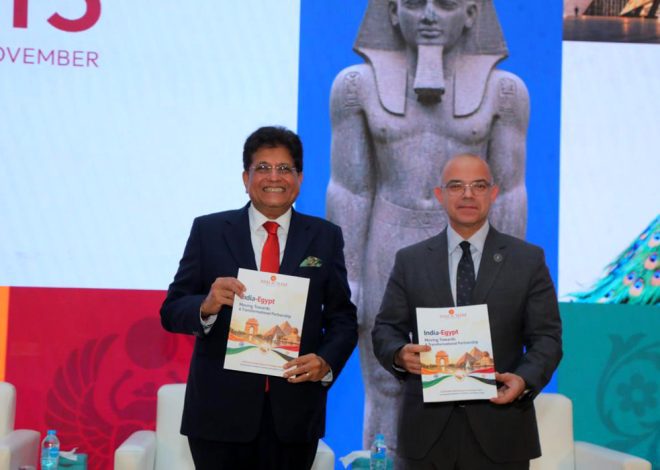
Egypt and India are stepping up efforts to deepen their economic partnership, with investment, joint manufacturing, technology cooperation and access to international markets emerging as key priorities. The renewed momentum was evident at the India-Egypt Business Forum and the activities of the Egyptian-Indian Business Council, which brought together hundreds of business representatives, government officials and industry leaders from both countries.
More than 300 Indian and Egyptian companies participated in the business forum, while separate discussions involving representatives of 200 companies, including 30 Indian start-ups, focused on identifying investment opportunities and strengthening commercial partnerships.
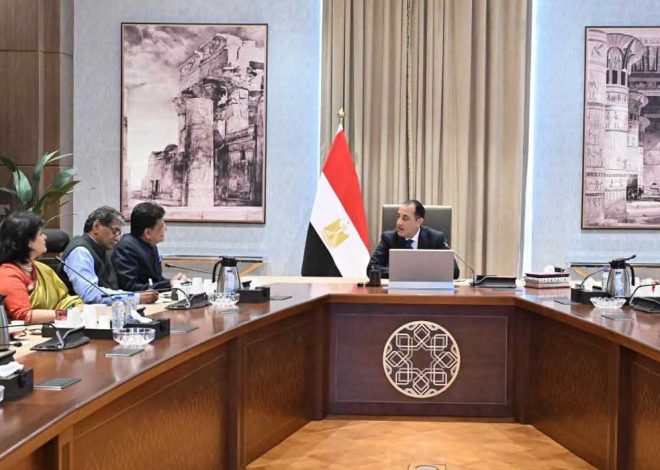
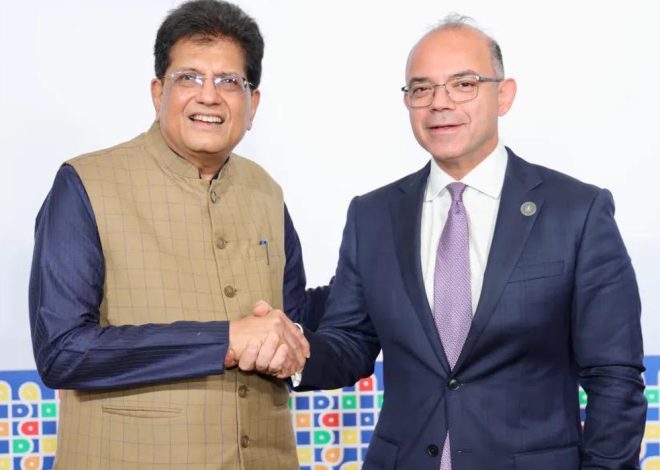
The engagements took place during the official visit of India's Minister of Commerce and Industry, Piyush Goyal, to Egypt from November 14 to 17, 2026. Egypt's Minister of Investment and Foreign Trade, Mohamed Farid Saleh, also participated, highlighting the importance both governments attach to expanding the economic dimension of their strategic partnership.
Other participants included Mohamed Awad, CEO of Egypt's General Authority for Investment and Free Zones (GAFI); Vijay Shankar, President of the Federation of Indian Chambers of Commerce and Industry (FICCI) and Chairman of TCI Sanmar Group; Ahmed El-Wakil, President of the Federation of Egyptian Chambers of Commerce; and Indian Ambassador to Egypt Suresh K. Reddy.
The discussions reflected a shared ambition to move beyond conventional trade towards long-term industrial partnerships, increased investment and joint ventures serving markets across Africa, the Middle East and Europe.
Egypt Positions Itself as a Gateway for Indian Investment
A central focus of the meetings was Egypt's ambition to attract new Indian investments by building on the presence of existing Indian companies and presenting fresh opportunities across strategic sectors.
Mohamed Awad said Egypt is currently home to 1,040 Indian companies operating mainly in industry, services and information technology. These businesses contribute to economic development through local manufacturing, employment generation, technology transfer, increased exports and foreign currency earnings.
He emphasised that GAFI is prioritising support for the expansion of Indian companies already operating in Egypt, describing their experiences as important examples for attracting further investment.
Egypt's geographical position between the Mediterranean and Red Seas was highlighted as a major competitive advantage. Its ports, logistics infrastructure and trade connections provide Indian businesses with access to markets across Africa, the Arab world and Europe.
Representatives of GAFI and the Suez Canal Economic Zone (SCZONE) presented Egypt's industrial and investment advantages, highlighting opportunities for manufacturing facilities and export-oriented operations.
Saleh outlined Egypt's portfolio of 1,330 investment opportunities across nine priority sectors, developed in cooperation with the World Bank. The initiative is intended to help international investors identify projects with potential for investment and expansion.
He also highlighted Egypt's domestic market of more than 110 million consumers and its network of trade agreements, which provides preferential access to more than 100 international markets.
Investment Reforms and Industrial Cooperation
Improving the investment climate has emerged as another important component of Egypt's strategy to attract Indian businesses.
Awad presented GAFI's digital transformation initiatives, including the Investor Care Platform and its electronic portal, designed to provide investors with centralised access to information and services.
He also highlighted incentives available through free zones, investment zones and technology zones, alongside the Golden Licence system, which enables eligible investors to obtain required approvals through a single approval mechanism.
Saleh pointed to wider reforms involving customs administration, foreign trade procedures, market information systems, inspection and accreditation services, and support for exporters.
A major theme of the discussions was the need to move beyond conventional bilateral trade towards joint manufacturing and industrial partnerships.
Ahmed El-Wakil said bilateral trade between Egypt and India had reached approximately US$6.6 billion, while Indian investments in Egypt exceeded US$4.5 billion. He stressed that the existing level of cooperation represents only part of the potential available to both economies.
El-Wakil called for Egyptian and Indian companies to establish industrial alliances, combining their manufacturing and technological capabilities to develop projects for domestic consumption and international markets.
He also highlighted Egypt's free trade agreements, which provide access to markets representing more than 4.5 billion consumers, and urged the activation of the cooperation agreement between the Federation of Egyptian Chambers of Commerce and FICCI.
The forum identified opportunities across engineering and electrical equipment, chemicals and fertilisers, pharmaceuticals, textiles, food processing, automotive components, renewable energy, infrastructure and logistics.
Indian companies operating in Egypt, including TCI Sanmar, Galaxy Chemical and Abdos, shared their experiences, demonstrating the contribution of Indian investment to local production, employment, technology transfer and export development.
Digital Economy and Technology Partnerships
Technology and digital transformation featured prominently in the discussions, reflecting the growing importance of innovation and digital services in both economies.
A dedicated session brought together representatives of Egypt's technology ecosystem, Indian start-ups and established companies to explore opportunities in enterprise technology, digital solutions and industrial innovation.
Moderated by Ayman El-Gohary, Chairman of Global for Smart Solutions, the session included Egyptian participants Mahmoud Sefrata of the Information Technology Industry Development Agency (ITIDA), Fady Ismail of AGX, Karim Hamza of National System and Seddik Ahmed of Eram Holding.
India was represented by Rajesh Ranganathan of Zoho and Pradeep Jalbil of Datamorphosis.
Discussions highlighted the potential for Indian technology expertise and Egypt's expanding digital ecosystem to complement one another through enterprise solutions, digital transformation and technology-enabled industrial development.
Such cooperation could also help start-ups and technology companies expand into both markets and develop solutions for wider regional markets.
Joint Business Council Sets Priorities
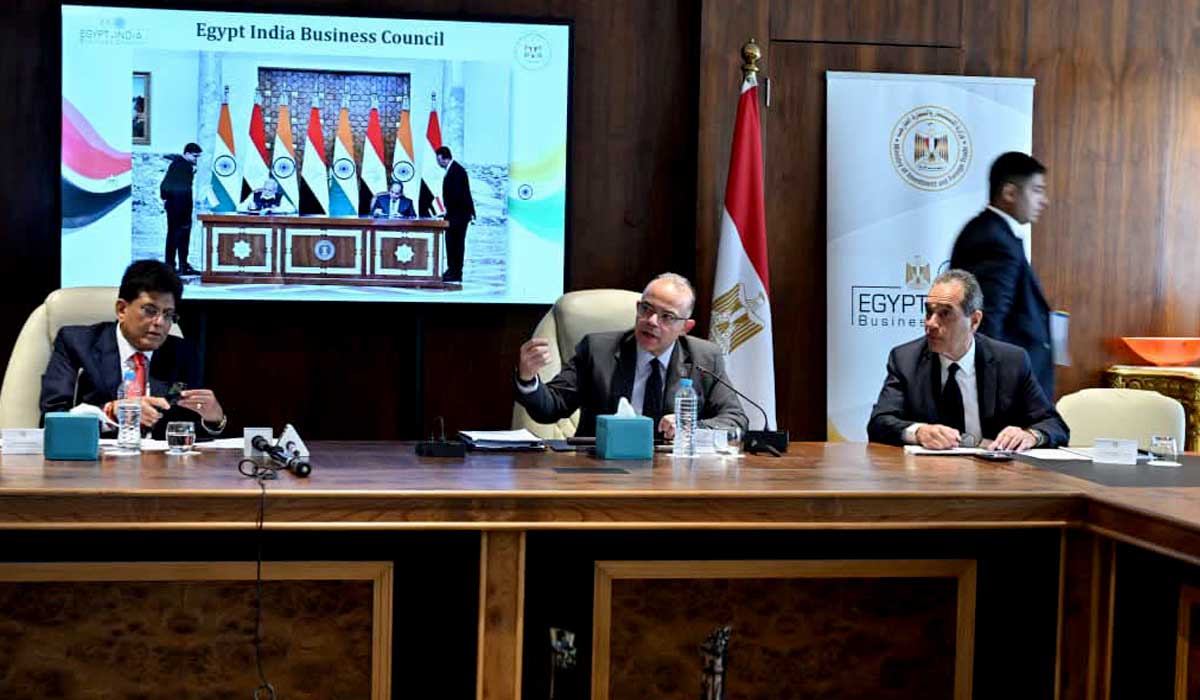
The sixth meeting of the India-Egypt Joint Business Council, held in Egypt's New Administrative Capital, provided an institutional platform to discuss the next phase of economic engagement.
The meeting was addressed by Piyush Goyal and Mohamed Farid Saleh and co-chaired by Ganesh Kumar, Deputy CEO of TCI Sanmar Chemicals SAE, on the Indian side, and Khaled Abou El-Makarem of Makarem Tex, on the Egyptian side. Vijay Shankar of FICCI also delivered remarks.
Participants discussed priority sectors including chemicals and petrochemicals, pharmaceuticals and healthcare, food industries and agribusiness, renewable energy and green hydrogen, infrastructure, ports and logistics, information technology, textiles and automotive manufacturing.
The council also examined proposals to establish sector-specific working groups, facilitate customs and trade procedures, ease visa arrangements for businesspeople and organise reciprocal trade missions during 2026 and 2027.
These measures are intended to strengthen institutional links, facilitate direct business engagement and translate investment opportunities into practical commercial partnerships.
Complementary Economies, Shared Opportunities
India and Egypt possess complementary economic strengths that provide a strong foundation for expanding bilateral relations.
India offers a large domestic market, competitive manufacturing capabilities, engineering expertise, a growing technology sector and an expanding base of internationally active companies. Egypt brings a strategic geographical location, an established industrial base, a skilled workforce, major logistics infrastructure and access to regional markets.
For Indian companies, Egypt offers opportunities to establish manufacturing facilities, develop joint ventures and use the country as a platform for reaching markets across Africa, the Middle East and Europe.
For Egypt, greater Indian investment could support industrial diversification, employment generation, export growth and technology development.
The renewed business engagement also forms part of broader diplomatic efforts to strengthen the India-Egypt Strategic Partnership. Goyal's visit followed the meeting between Egyptian President Abdel Fattah El-Sisi and Indian Prime Minister Narendra Modi on the sidelines of the BRICS Summit hosted by India in September 2026.
The participation of senior ministers, investment authorities, business federations and hundreds of companies reflects the growing importance attached to translating political relations into practical economic outcomes.
A New Chapter in India-Egypt Economic Relations
The latest engagements point towards a more ambitious economic relationship, with both countries seeking to expand cooperation beyond traditional trade into manufacturing, investment, technology and regional supply chains.
Egypt's efforts to attract Indian investors through investment incentives, infrastructure development and market access offer opportunities for Indian businesses seeking to expand internationally. At the same time, India's industrial, technological and entrepreneurial capabilities can contribute to Egypt's economic diversification and export ambitions.
The presence of 1,040 Indian companies in Egypt, the presentation of 1,330 investment opportunities and the participation of more than 300 companies in the business forum underline the scale of potential cooperation.
The next challenge will be to translate these discussions into concrete investments, joint ventures, production facilities and sustainable business partnerships.
As Cairo and New Delhi seek to deepen their strategic partnership, the focus is increasingly shifting from diplomatic goodwill to tangible economic cooperation, opening a new chapter in India-Egypt commercial relations
About the Author