


India’s Strategic Priorities in the Indo-Pacific: Maritime Security, Regional Cooperation and the ASEAN–East Asia Summits in the Philippines
India’s growing engagement with Southeast Asia reflects its broader ambition to strengthen its strategic presence in the Indo-Pacific, expand regional partnerships and contribute to maritime security. As Prime Minister Narendra Modi participates in the 23rd ASEAN-India Summit and the 21st East Asia Summit (EAS) in Manila on November 17, 2026, India’s priorities include maritime cooperation, economic connectivity and regional stability.
The summits, hosted by the Philippines under its ASEAN chairmanship, provide an important opportunity for India to reinforce its Comprehensive Strategic Partnership with ASEAN and engage with regional leaders on emerging political, economic and security challenges.
Maritime security: A central pillar of India’s engagement
Maritime security remains a significant dimension of India’s Indo-Pacific strategy. The region encompasses vital international shipping routes connecting major economies and energy markets, making freedom of navigation and secure sea lanes important for regional prosperity.
The year 2026 is being observed as the ASEAN-India Year of Maritime Cooperation, highlighting the importance both sides attach to maritime engagement.
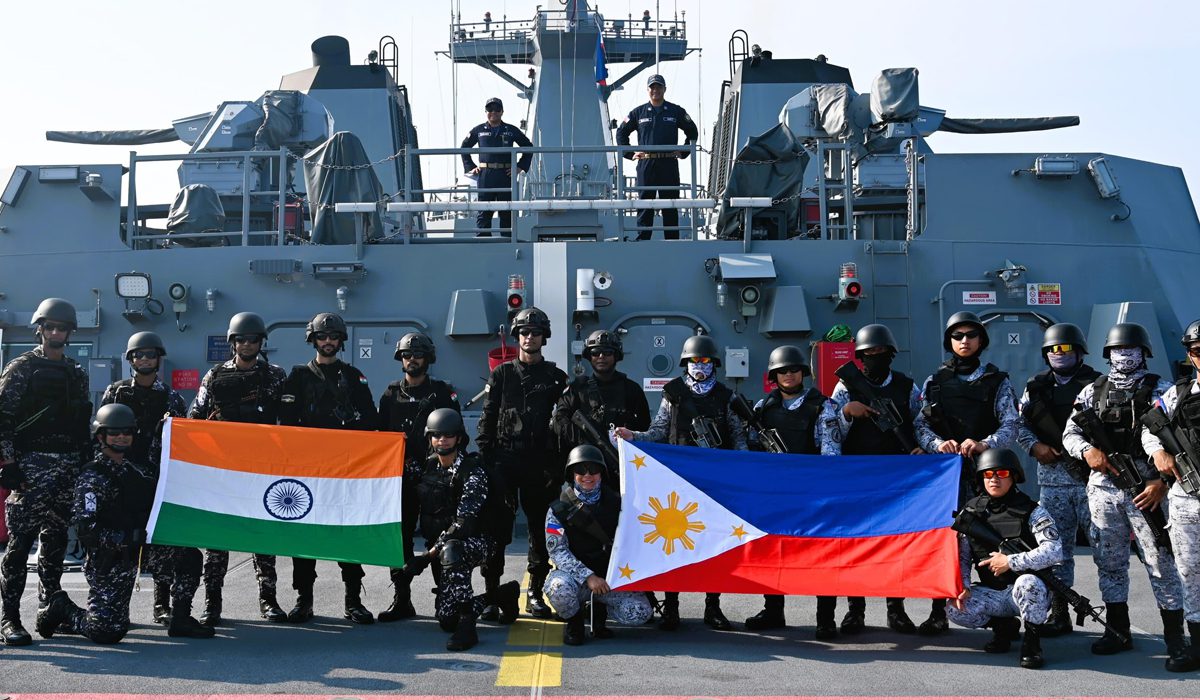
India has also demonstrated its commitment through the second ASEAN-India Maritime Exercise (AIME-2026), held at Subic Bay in the Philippines from September 28. The exercise brought together Indian naval forces and ASEAN maritime partners, strengthening operational coordination and professional cooperation.
Beyond naval engagement, India and ASEAN have opportunities to expand cooperation in disaster response, maritime information-sharing, marine environmental protection and the blue economy.
Act East Policy and MAHASAGAR vision
India’s engagement with Southeast Asia is closely connected to its Act East Policy, which seeks to strengthen political, economic and strategic relations with countries across the region.
This approach also complements India’s MAHASAGAR vision — Mutual and Holistic Advancement for Security and Growth Across Regions.
Together, these frameworks underline India’s interest in building partnerships based on shared security, economic development, connectivity and regional prosperity.
Economic connectivity and trade cooperation
Economic relations remain another important pillar of India-ASEAN engagement. Cooperation in manufacturing, pharmaceuticals, electronics, agriculture, renewable energy and digital services offers opportunities to expand trade and investment.
Improving transport infrastructure, port connectivity and regional supply chains will also be important for facilitating commercial exchanges.
The ASEAN-India Plan of Action 2026–2030 provides a framework for advancing cooperation in trade, technology, maritime security, education and sustainable development.
East Asia Summit and regional diplomacy
The 21st East Asia Summit offers India an important platform to exchange perspectives with regional and international partners on geopolitical developments, economic resilience and security challenges.
India’s participation reflects its support for ASEAN centrality and inclusive regional dialogue. At a time of changing geopolitical dynamics, sustained diplomatic engagement remains essential for building mutual confidence and addressing shared regional concerns.
The Manila visit also provides an opportunity to strengthen India’s bilateral engagement with the Philippines, particularly in maritime cooperation, defence, trade and technology.
Future Prospects
The summits come ahead of an important milestone in 2027, when India and ASEAN will mark 35 years of Dialogue Relations and five years of their Comprehensive Strategic Partnership.
India’s long-term engagement with Southeast Asia will depend on translating diplomatic commitments into practical cooperation in maritime security, economic connectivity, technology and sustainable development.
The Manila meetings therefore represent an important opportunity for India to strengthen its regional partnerships and contribute to a peaceful, prosperous and resilient Indo-Pacific.