





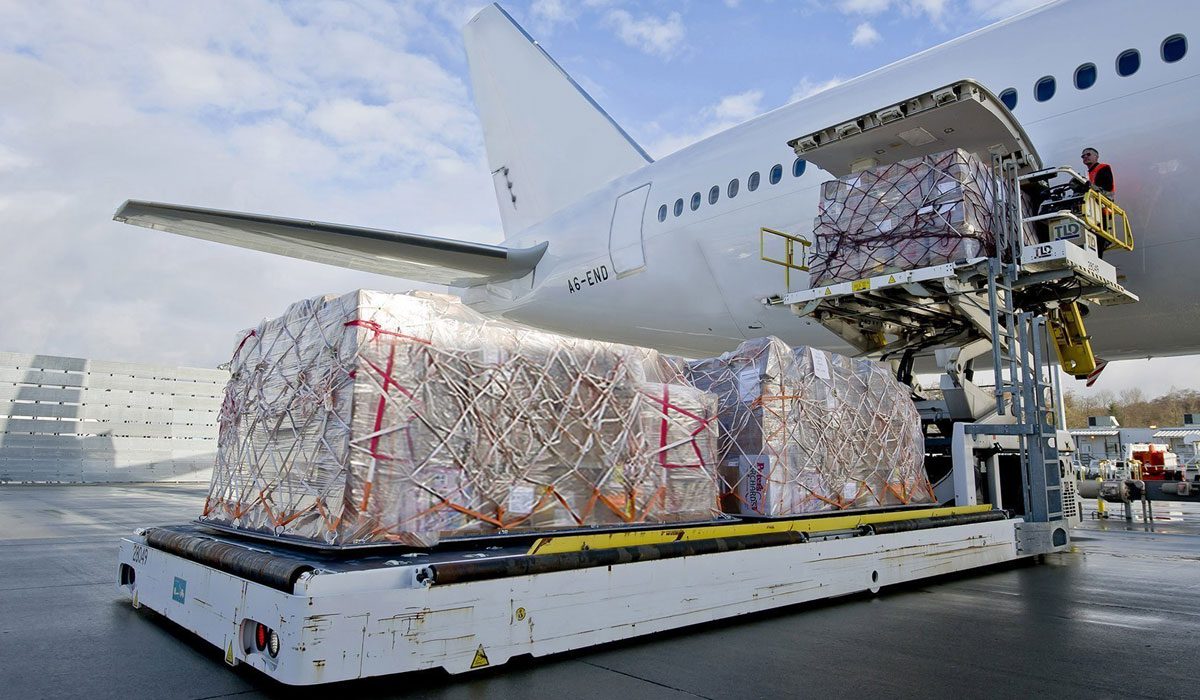
India’s Air Cargo Push Takes Off: Faster Transhipment Opens New Gateway to Global Trade
New reforms cut cargo transit time, reduce logistics bottlenecks and strengthen India’s ambition to become a global air cargo hub
India is accelerating efforts to transform its air cargo network into a faster and more competitive gateway for international trade, with new transhipment reforms aimed at reducing delays, handling costs and congestion at airports.
The latest expansion follows the successful proof of concept on the Chennai–Delhi–Frankfurt route, where average end-to-end cargo transit time has fallen from about 60 hours to nearly 20 hours. The pilot, which began on June 20, has already handled around 280 metric tonnes of cargo, while aircraft capacity utilisation increased from 75% to almost 100%.
A Wider Air Cargo Network
The government has now expanded the model to include Bengaluru, Ahmedabad, Mumbai and Hyderabad as additional domestic origin points, while London and Copenhagen have been added as international destinations through Delhi.
The expanded network is projected to increase monthly cargo carriage on the covered routes from 1,763 metric tonnes to 3,183 metric tonnes, representing an increase of nearly 80%.
Removing a Major Bottleneck
At the heart of the reform is a revised security framework that allows eligible secured transhipment cargo to move through dedicated Transfer Cargo Security Hold Areas (TCSHAs) without mandatory re-screening, subject to prescribed safeguards and security requirements.
The framework covers different cargo movement categories and is designed to maintain security while avoiding unnecessary duplication in the handling process.
Faster Logistics, Greater Trade Competitiveness
For exporters, importers and logistics companies, the reduction in transit time could have significant commercial implications. Faster cargo movement can improve supply-chain reliability, reduce dwell time and lower logistics costs—particularly for perishable, high-value and time-sensitive products.
The reform also complements other measures introduced by CBIC to simplify air-cargo procedures, including online transhipment applications and the All-India National Transhipment Bond.
India’s Opportunity to Become a Global Cargo Hub
India’s geographical position between major markets in the East and West gives it a natural opportunity to develop as an international cargo transhipment centre.
Civil Aviation Minister Ram Mohan Naidu has said the government’s larger objective is to establish India as a global cargo transhipment hub, with the framework eventually expected to expand beyond the current domestic-to-international focus to international-to-international and international-to-domestic movements.
New Opportunities for Global Business
A more efficient air cargo network could strengthen India’s role in global supply chains while creating opportunities for airlines, freight forwarders, logistics providers, exporters, importers, warehouse operators and cargo-handling companies.
For Indian businesses, particularly those targeting overseas markets, faster and more predictable cargo movement can make international trade more competitive. For global companies, stronger Indian cargo hubs could provide additional routing options between Asian, European and other international markets.
The expansion therefore represents more than an aviation reform. It is an important step towards building the logistics infrastructure needed to support India’s ambitions as a competitive global trading and manufacturing economy.