


Sri Lanka Steps Up Its Renewable Energy Drive, Strengthens Green Energy Partnership with India
At the Ninth International Solar Alliance Assembly in New Delhi, Sri Lanka renews its ambitious clean energy commitments and explores new opportunities in solar, wind and energy storage.
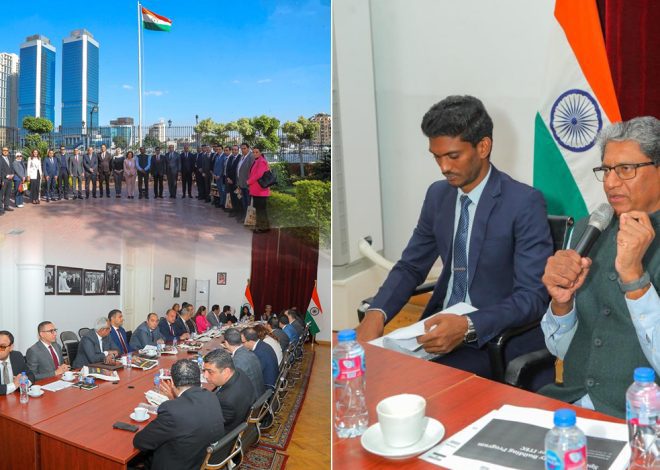
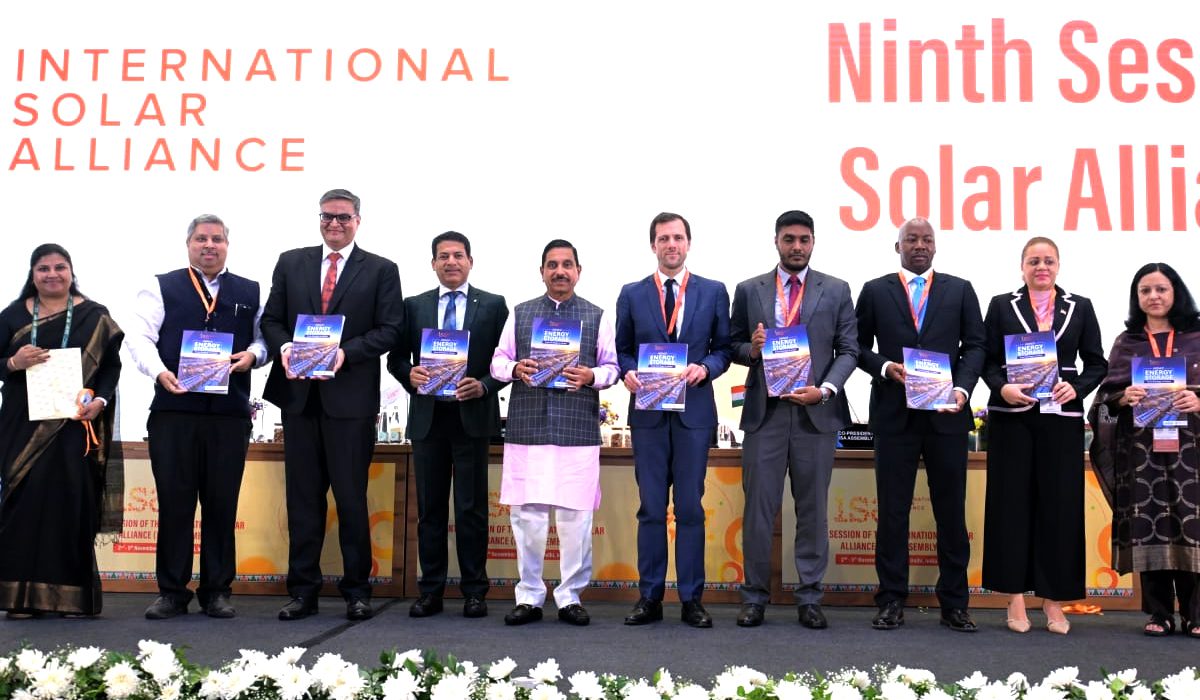
Sri Lanka has reaffirmed its determination to accelerate its renewable energy transition and deepen international partnerships in the clean energy sector at the Ninth Session of the International Solar Alliance (ISA) Assembly, held in New Delhi from 3–5 November 2026, alongside the Bharat Renewable Energy Summit & Expo 2026.
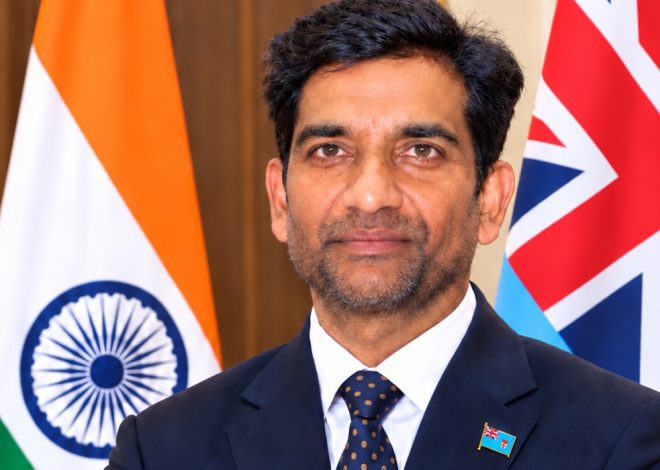
Representing the Government of Sri Lanka, Deputy Minister of Energy Hon. Muhammadu Ilyas Muhammadu Arkam participated in the Assembly and delivered the country’s National Statement during the High-Level Ministerial Segment.
Addressing the Assembly, the Deputy Minister reiterated Sri Lanka’s ambitious renewable energy targets: increasing renewable energy’s contribution to electricity generation to 70 per cent by 2030 and achieving carbon neutrality in the electricity generation sector by 2050. These commitments are aligned with Sri Lanka’s Nationally Determined Contributions (NDCs) under the Paris Agreement.
He also highlighted the country’s ongoing efforts to expand clean energy generation while improving the resilience, reliability and efficiency of its national electricity network. Key priorities include developing green hydrogen, promoting electric mobility and charging infrastructure, introducing battery energy storage systems, and upgrading and modernising the national power grid.
Unlocking Sri Lanka’s Vast Renewable Energy Potential
Sri Lanka’s considerable potential for renewable energy development was another key focus of the Deputy Minister’s address.
He highlighted promising opportunities for floating solar installations in selected reservoirs, alongside the expansion of solar and wind energy projects across the Northern, Eastern and Southern regions of the country.
The development of wind power projects in Mannar and ongoing assessments of Sri Lanka’s offshore wind energy potential were also identified as important opportunities for future investment and growth in the renewable energy sector.
The Deputy Minister stressed that achieving these ambitions would require greater access to advanced technology, international expertise, investment, knowledge-sharing and capacity-building.
Sri Lanka and India Explore New Avenues for Green Energy Cooperation
Sri Lanka’s participation in the ISA Assembly also created an important opportunity to strengthen its renewable energy partnership with India.
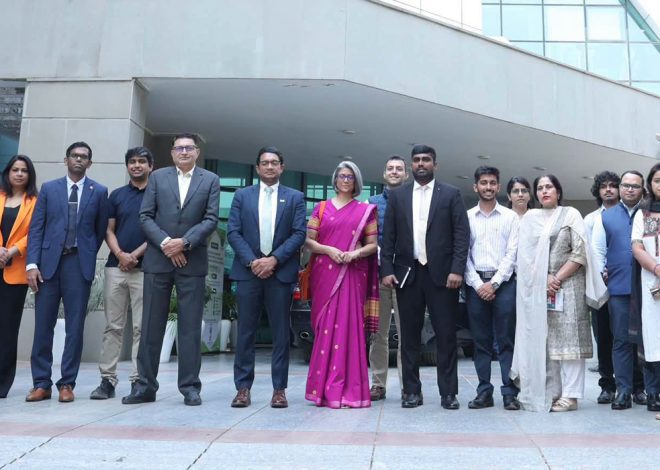
On the sidelines of the event, Deputy Minister Arkam Ilyas held discussions with Shri Pralhad Venkatesh Joshi, India’s Union Minister for New and Renewable Energy and President of the International Solar Alliance, focusing on ways to further expand bilateral cooperation under the ISA framework.
The discussions explored several practical areas of collaboration, including integrating solar power into the national electricity grid, energy storage solutions, digital grid management, floating solar projects and the promotion of solar-powered agricultural applications.
Both sides also considered ways to transform existing cooperation into tangible projects that could support Sri Lanka’s clean energy ambitions.
Special attention was given to the operationalisation of the Solar Technology Application Resource Centre (STAR-C) at the University of Moratuwa. The centre is expected to play an important role in enhancing technical expertise, strengthening local capabilities and promoting the practical application of solar technologies in Sri Lanka.
The meeting underscored the importance of continued collaboration, technology transfer and knowledge exchange in accelerating the country’s renewable energy transition and enhancing national energy security.
Building Momentum Through International Solar Alliance Initiatives
Sri Lanka has been actively collaborating with the International Solar Alliance on several initiatives aimed at advancing the country’s solar energy development.
These include establishing the STAR-C at the University of Moratuwa, developing a digital platform to streamline approvals for solar energy projects, promoting solar-powered agricultural applications, supporting floating solar development and preparing a National Solar Energy Roadmap for Sri Lanka.
Such initiatives are intended to strengthen the country’s technical foundations, improve the investment environment and create new opportunities for wider solar energy adoption.
Sri Lanka’s Growing Role in the International Solar Alliance
A member of the International Solar Alliance since 2018, Sri Lanka has maintained an active presence in the organisation’s institutional, regional and governance activities.
During 2025–2026, Sri Lanka served as Vice-President of the ISA Standing Committee, representing the Asia and Pacific region, as well as Chair of the ISA Regional Committee for Asia and the Pacific.
The country has also undertaken the responsibility of Rapporteur of the ISA Standing Committee, reflecting its continued contribution to the Alliance’s institutional processes and collective work.
At the Ninth Assembly, Member Countries reviewed the progress of ongoing ISA programmes and initiatives while discussing priorities for the next phase of international solar cooperation.
Key areas of focus included mobilising investment, expanding solar applications in agriculture, strengthening energy resilience, advancing innovative technologies and enhancing international capacity-building and knowledge-sharing.
The Assembly also reaffirmed India’s leadership of the organisation, with India elected for a third consecutive term as President of the International Solar Alliance, while France continued as Co-President.
A Stronger Commitment to a Sustainable Energy Future
Sri Lanka’s participation in the Ninth International Solar Alliance Assembly reflects its continued commitment to advancing renewable energy through international cooperation, strategic partnerships and technological innovation.
By working closely with India, the International Solar Alliance and its Member Countries, Sri Lanka aims to accelerate its clean energy ambitions, strengthen national energy security and move towards a more sustainable, affordable and resilient energy future.