Operation Amistad: India’s Humanitarian Diplomacy Extends a Lifeline to Venezuela
The Indian Army’s field hospital and relief teams have become symbols of compassion, reinforcing India’s growing role as a first responder in global humanitarian crises.
When disaster strikes, the speed and sincerity of international assistance often define the strength of global solidarity. In the aftermath of the devastating twin earthquakes that struck Venezuela in June 2026, India once again demonstrated its commitment to humanitarian assistance by launching Operation Amistad, a large-scale relief mission that has brought hope to thousands of survivors.
More than a humanitarian operation, Operation Amistad reflects India’s evolving foreign policy, where compassion, rapid response, and international cooperation have become integral components of diplomacy. The mission has earned widespread appreciation in Venezuela for the professionalism, efficiency, and quality of medical services provided by the Indian Army’s field hospital, highlighting India’s capability to deliver timely assistance far beyond its borders.
Responding to a Humanitarian Catastrophe
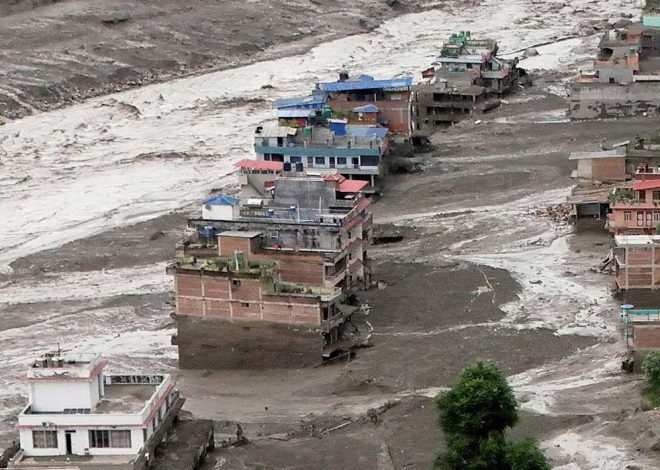
On 24 June 2026, Venezuela was struck by two powerful earthquakes measuring 7.2 and 7.5 on the Richter scale. The twin disasters caused catastrophic destruction across several regions of the country, claiming more than 2,295 lives and leaving over 11,000 people injured. Tens of thousands of homes, hospitals, schools, and public buildings were either severely damaged or completely destroyed, while approximately 13,000 people were displaced, creating an urgent humanitarian emergency.
Recognising the scale of the crisis, the Government of India swiftly mobilised relief assistance under Operation Amistad. The deployment reflected India’s long-standing commitment to providing humanitarian aid and disaster relief to countries facing natural calamities, irrespective of geography or political considerations.
Indian Army’s Medical Expertise on the Frontline
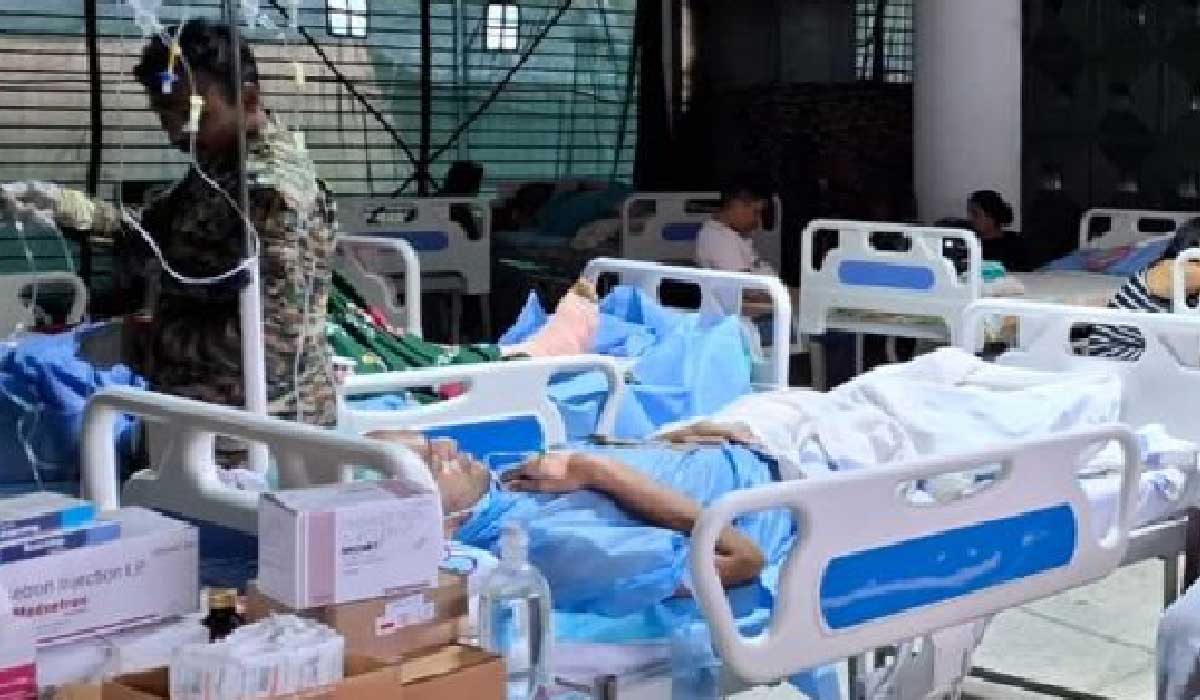
At the heart of Operation Amistad is the Indian Army’s fully equipped field hospital, which has emerged as one of the most critical components of the relief mission. Staffed by experienced military doctors, surgeons, nurses, and medical support personnel, the hospital has been providing emergency surgeries, trauma care, maternal healthcare, disease prevention, and essential medical treatment to earthquake survivors.
Operating under challenging conditions, the medical teams have treated thousands of patients while working closely with Venezuelan health authorities and local emergency responders. Their dedication, professionalism, and ability to function efficiently in disaster zones have earned widespread respect from both the local population and government officials.
The success of the field hospital demonstrates the Indian Armed Forces’ growing expertise in humanitarian medical assistance, developed through years of responding to disasters both within India and abroad.
Humanitarian Assistance Beyond Emergency Relief
Operation Amistad extends beyond immediate medical intervention. India has also dispatched relief supplies, including medicines, emergency shelter materials, food assistance, water purification equipment, and essential humanitarian commodities aimed at supporting affected communities during the recovery phase.
Such comprehensive assistance reflects an understanding that disaster response requires more than emergency rescue operations. Restoring public health, ensuring access to clean water, preventing disease outbreaks, and supporting displaced populations are equally important in stabilising communities following major natural disasters.
India’s integrated approach combines emergency response with longer-term humanitarian support, enabling affected countries to begin rebuilding their lives more quickly.
Humanitarian Diplomacy in Action
Over the past decade, India has increasingly positioned itself as a reliable first responder during international emergencies. Whether responding to earthquakes, cyclones, pandemics, or humanitarian crises, New Delhi has consistently demonstrated its willingness to provide assistance based on the principles of solidarity, partnership, and shared humanity.
Operation Amistad adds another significant chapter to India’s expanding humanitarian diplomacy. Rather than viewing disaster relief solely as an act of charity, India increasingly approaches humanitarian assistance as an expression of responsible global leadership and international cooperation.
The mission also strengthens India’s engagement with Latin America, a region where diplomatic and economic relations continue to deepen. By extending meaningful assistance during a national tragedy, India reinforces mutual trust while demonstrating that humanitarian partnerships often transcend traditional geopolitical boundaries.
The Strategic Value of Compassion
Humanitarian missions generate goodwill that extends far beyond immediate relief efforts. They build confidence, strengthen bilateral relationships, and project a nation’s values on the global stage. India’s ability to deploy trained military medical teams, logistical resources, and emergency supplies over long distances reflects both operational capability and political commitment.
The appreciation expressed by Venezuelan authorities and citizens illustrates how humanitarian assistance can strengthen diplomatic ties through tangible acts of compassion rather than rhetoric alone. Such missions contribute to India’s image as a nation prepared to share its expertise and resources whenever international emergencies arise.
In an era increasingly shaped by climate change, natural disasters, and humanitarian crises, rapid response capabilities have become an important dimension of foreign policy and international influence.
A Vision of Global Responsibility
Operation Amistad embodies India’s enduring philosophy that humanitarian assistance knows no borders. As natural disasters become more frequent and severe, international cooperation will play an increasingly important role in protecting lives and supporting recovery.
India’s swift response to Venezuela demonstrates that effective diplomacy is measured not only through political dialogue and economic agreements but also through actions that alleviate human suffering. By combining medical expertise, logistical efficiency, and humanitarian commitment, Operation Amistad has become a powerful example of compassionate leadership in action.
As Venezuela begins the long process of reconstruction, India’s contribution will be remembered not simply for the relief it delivered, but for the solidarity it expressed. In doing so, Operation Amistad reinforces India’s growing identity as a trusted humanitarian partner—one that stands ready to extend a helping hand whenever and wherever disaster strikes.