
Ayurveda in Cairo: India and Egypt Explore Traditional Medicine Links
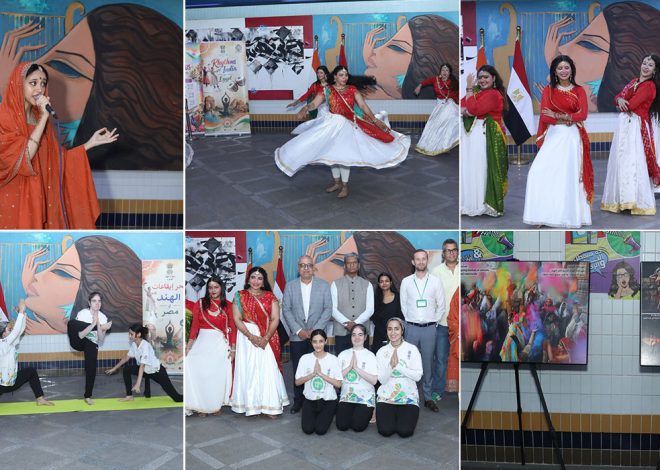
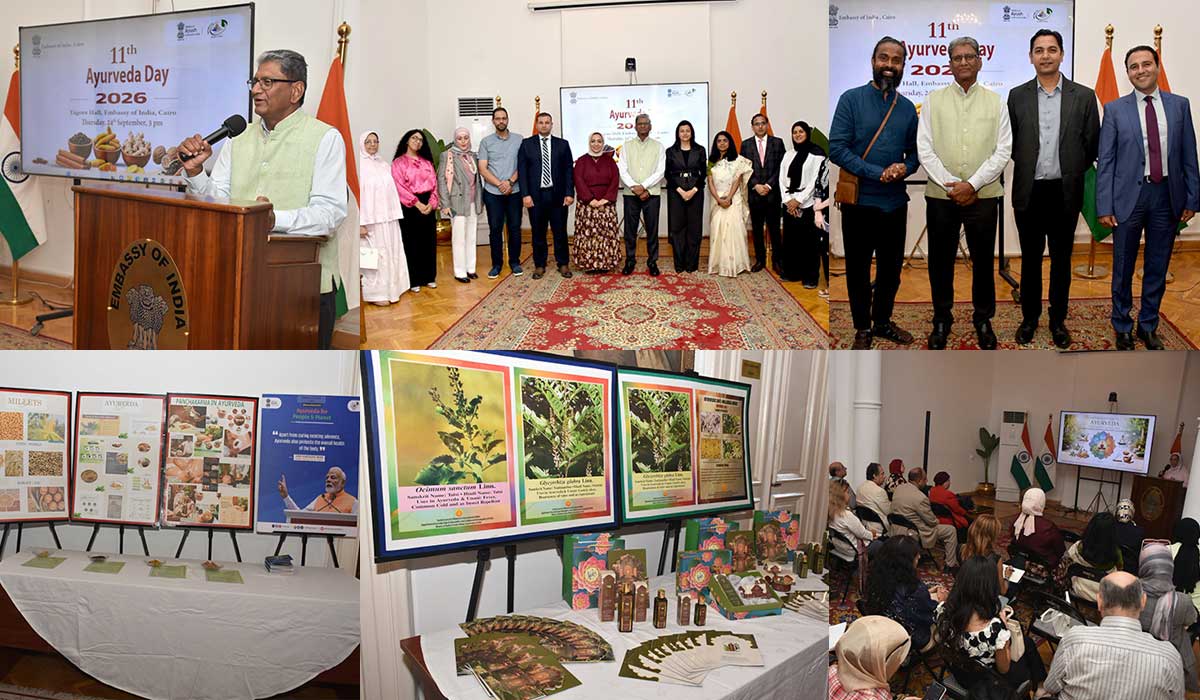
India and Egypt are exploring broader avenues of cooperation in traditional and complementary medicine, as the Embassy of India in Cairo marked the 11th Ayurveda Day with a programme highlighting Ayurveda’s relevance to preventive healthcare and holistic well-being.
Held under the theme “Ayurveda for a Healthier Tomorrow,” the celebration brought together academics, healthcare practitioners and experts from Egypt and India to discuss the principles of Ayurveda and the potential for greater exchange of knowledge and expertise between the two countries.
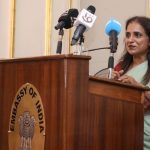
Indian Ambassador to Egypt Suresh K. Reddy highlighted Ayurveda as a holistic system of health, pointing to its emphasis on prevention, balanced living and wellness. He also underscored the potential contribution of preventive approaches to addressing the growing challenge of chronic diseases.
The event also provided a platform for Egyptian experts to underline the importance of international cooperation in complementary medicine. Dr. Alia ElGendy, Head of the Complementary Medicine Department at Egypt’s National Research Centre, stressed the role of complementary medicine in advancing holistic approaches to health and well-being. She expressed interest in strengthening cooperation with India through increased academic, professional and institutional exchanges in traditional and complementary medicine.
Adding an Indian perspective to the discussions, Ayurveda expert Dr. Jumana Kapadia introduced participants to the history and fundamental principles of Ayurveda, explaining its holistic approach to health and wellness. She also led a question-and-answer session, allowing participants to engage directly with the subject and explore its application to healthy and balanced living.
The programme further featured a virtual session by Dr. Alka Mishra, Head of the Department of Complementary and Alternative Medicine and Coordinator of the Panchakarma Centre at Dev Sanskriti Vishwavidyalaya in Haridwar. Her session, titled “Panchakarma: Detox Your Body Through Ayurveda,” presented the traditional Ayurvedic therapeutic framework and its approaches to prevention, rejuvenation and well-being.
The event was attended by professors and experts from the Complementary Medicine Department of Egypt’s National Research Centre and Galala University, alongside other participants. Their discussions created an opportunity for Indian and Egyptian specialists to exchange perspectives and consider areas for deeper cooperation in traditional and complementary medicine.
Beyond introducing participants to Ayurveda, the Cairo celebration highlighted a broader dimension of India-Egypt relations: the role of traditional knowledge and healthcare practices in creating new channels for academic and professional engagement. With both sides showing interest in knowledge-sharing and institutional exchange, Ayurveda is emerging as another field through which the longstanding ties between India and Egypt can be expanded.
The celebration also reflected India’s continuing efforts to promote awareness of its traditional knowledge systems internationally, while strengthening people-to-people and institutional links with Egypt.
About the Author