



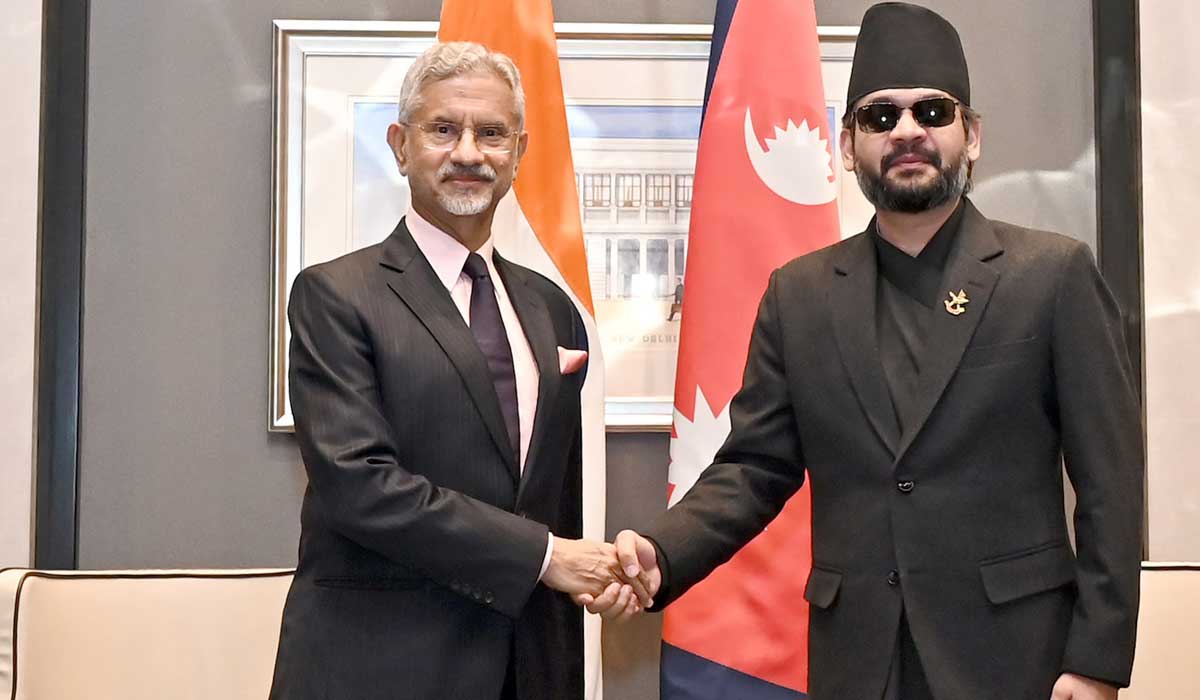
India and Nepal: A New Chapter in Neighbourhood Diplomacy
A Renewed Diplomatic Engagement to Deepen Historical Bonds, Strengthen Strategic Cooperation and Advance Shared Prosperity in South Asia
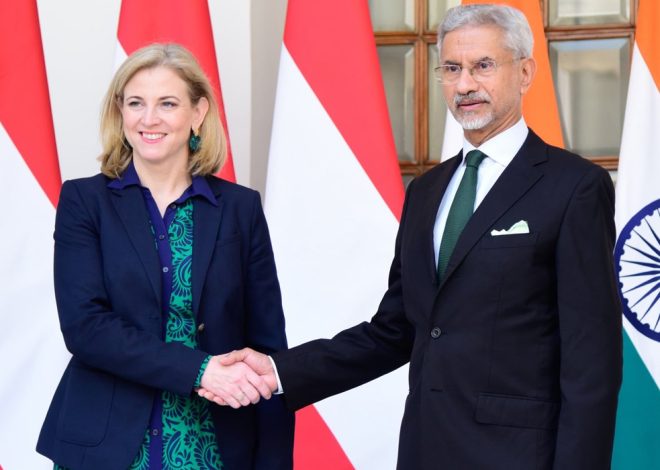
India and Nepal share a relationship that transcends geographical boundaries and conventional diplomatic engagement. Rooted in centuries of history, culture, religion and civilisational bonds, the relationship represents one of South Asia’s most distinctive neighbourhood partnerships. The State Visit of Nepal’s Prime Minister, H.E. Mr. Balendra Shah, to India on 22–23 November 2026, at the invitation of Prime Minister Shri Narendra Modi, offers an important opportunity to give fresh momentum to this enduring friendship.
This visit assumes particular significance as it is Prime Minister Shah’s first visit to India since assuming office in March 2026. It also provides an opportunity for India’s leadership to engage directly with Nepal’s new political leadership and establish a constructive roadmap for future cooperation.
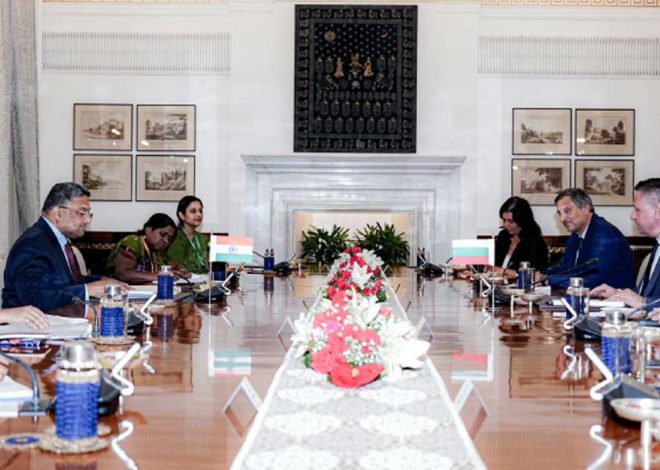
The bilateral discussions between Prime Minister Modi and Prime Minister Shah on 23 November are expected to cover the entire spectrum of India–Nepal relations, alongside regional and international developments of mutual interest. The visiting Prime Minister will also call on President Smt. Droupadi Murmu, reflecting the importance attached to the institutional and diplomatic dimensions of the relationship.
From Historical Friendship to Contemporary Partnership
India and Nepal enjoy a unique relationship characterised by an open border, extensive people-to-people contact and deep cultural connections. The religious and spiritual links between Pashupatinath and Kashi Vishwanath, Lumbini and Bodh Gaya, and Janakpur and Ayodhya reflect the shared heritage that continues to connect their societies.
However, the relationship today extends well beyond historical and cultural affinity. Trade, investment, infrastructure, energy, education, technology and security cooperation have emerged as important pillars of bilateral engagement.
Economic cooperation, in particular, offers considerable opportunities. India remains Nepal’s largest trading partner and an important destination for its exports. Strengthening trade facilitation, improving transit infrastructure and encouraging private-sector investment can contribute significantly to Nepal’s economic growth and regional integration.
Energy and Connectivity: The Foundations of Shared Prosperity
Energy cooperation is among the most promising dimensions of the India–Nepal partnership. Nepal’s substantial hydropower potential, combined with India’s growing energy requirements and market capacity, creates opportunities for mutually beneficial cooperation. Cross-border electricity trade, hydropower development and transmission infrastructure can transform Nepal into an important regional energy partner while contributing to India’s energy security.
Connectivity is equally important. Railway links, roads, integrated check posts, digital infrastructure and improved air connectivity can facilitate trade, tourism and people-to-people exchanges. The proposed Ayodhya–Janakpur railway connection also carries special cultural significance, linking two important centres associated with the Ramayana tradition.
A Partnership with Regional Significance
The India–Nepal relationship also has wider strategic implications for South Asia. As neighbouring countries with shared geographical, economic and security interests, both have a common stake in regional stability, disaster resilience and sustainable development.
Cooperation in border management, climate change, disaster response, education and technological innovation can further strengthen their partnership. At the same time, mutual sensitivity, respect for sovereignty and constructive dialogue remain essential for addressing differences and ensuring that bilateral relations continue to develop on a foundation of trust.
For India, engagement with Nepal is an important component of its Neighbourhood First policy and its broader vision of a peaceful, connected and prosperous South Asia. For Nepal, a strong and mutually beneficial partnership with India offers significant opportunities for economic transformation and regional integration.
Charting a New Course for Bilateral Partnership
The visit of Prime Minister Balendra Shah represents more than a high-level diplomatic exchange; it offers an important opportunity to renew political understanding, strengthen institutional engagement and translate historical goodwill into meaningful achievements. The success of this partnership will ultimately be reflected in tangible benefits for people on both sides of the border through greater economic opportunities, reliable energy cooperation, improved connectivity, cultural exchanges and enhanced regional prosperity. As India and Nepal navigate an evolving regional and international environment, sustained dialogue, mutual respect and constructive engagement will remain essential to building a stronger, more resilient and mutually beneficial relationship.