





Building Health Resilience: A New Priority for Global Health Security
As countries confront pandemics, climate pressures and fragile health systems, resilience is emerging as a central pillar of international health cooperation.
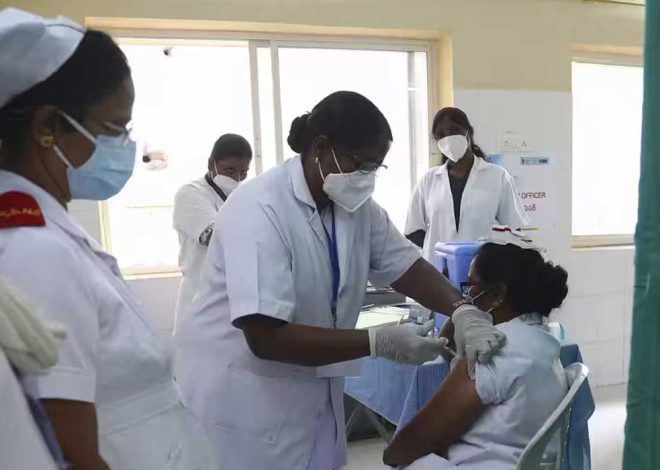
The world’s understanding of health security has changed dramatically since the COVID-19 pandemic. The experience demonstrated that hospitals, laboratories and healthcare workers cannot operate in isolation is not simply one that responds effectively during an emergency. It must also be capable of maintaining essential healthcare services while facing multiple pressures, from infectious diseases and climate-related emergencies to shortages when confronted with a crisis that crosses borders.
Today, the focus is increasingly shifting from responding to health emergencies to building systems capable of absorbing, adapting to and recovering from them.
This growing emphasis on health resilience is becoming an important part of the global health agenda.
From Crisis Response to Long-Term Resilience
A resilient health system is not simply one that responds effectively during an emergency. It must also be capable of maintaining essential healthcare services while facing multiple pressures, from infectious diseases and climate-related emergencies to shortages of medical supplies and healthcare professionals.
This requires sustained investment in primary healthcare, hospitals, laboratories, surveillance systems, medical research and the health workforce.
The challenge is particularly significant for developing countries, where healthcare systems may face limited resources while simultaneously confronting growing health demands.
Climate and Health Are Increasingly Connected
Climate change is adding another layer of complexity.
Extreme heat, floods, changing disease patterns, food insecurity and disruptions to healthcare infrastructure can all create additional pressure on health systems.
Consequently, climate resilience and health resilience are becoming increasingly interconnected.
Preparing healthcare facilities to withstand extreme weather, strengthening disease surveillance and ensuring continuity of essential services are no longer simply environmental or medical concerns. They are increasingly matters of national and international resilience.
The Importance of Sustainable Financing
Resilient healthcare systems require long-term financing.
Emergency funding can help countries respond to a crisis, but sustainable health security depends on investments made during periods when there is no immediate emergency.
This includes strengthening primary healthcare, training medical professionals, expanding laboratory capacity, improving supply chains and developing reliable health information systems.
International institutions and development partners can complement national efforts, particularly in countries where financial and technical resources remain constrained.
Technology as a Force Multiplier
Digital technology is also changing the way health systems prepare for emergencies.
Digital health records, disease surveillance, telemedicine, artificial intelligence and data-sharing platforms can help governments identify emerging threats and respond more rapidly.
However, technology must be accompanied by appropriate infrastructure, cybersecurity, privacy safeguards, skilled personnel and equitable access. Digital innovation can strengthen health security only when it is integrated into functioning health systems.
Resilience Requires International Cooperation
No country can completely isolate itself from global health risks.
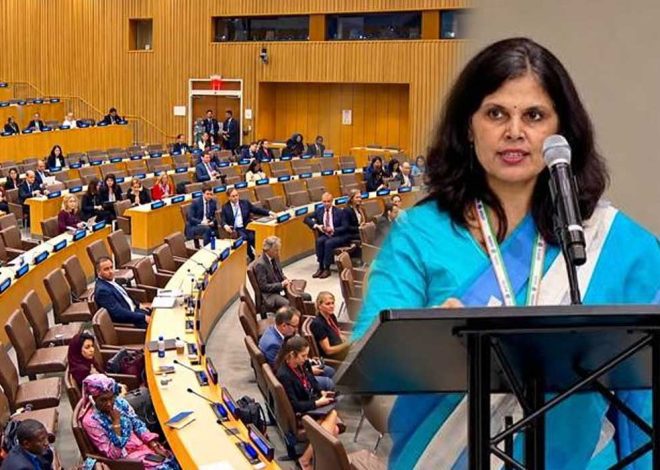
Viruses, climate-related health threats, antimicrobial resistance and disruptions in medical supply chains can move across borders with remarkable speed. International India and other countries of the Global South, stronger international cooperation can also provide an opportunity to ensure that global health policies reflect the needs will depend not only on how quickly the world can respond to the next crisis, but on how effectively countries cooperation is therefore essential for surveillance, research, information-sharing and access to medical technologies.
For India and other countries of the Global South, stronger international cooperation can also provide an opportunity to ensure that global health policies reflect the needs and experiences of developing economies.
A New Definition of Health Security
The future of global health security will depend not only on how quickly the world can respond to the next crisis, but on how effectively countries prepare before it arrives.
Health resilience means investing in people, institutions, infrastructure, technology and international partnerships.
It means recognising that health security is inseparable from economic stability, social resilience and international cooperation.
As the global community moves beyond the immediate lessons of COVID-19, one principle is becoming increasingly clear: the strongest defence against tomorrow’s health crisis is the resilience we build today.