




India Tightens Grip on Critical Minerals: DGFT Bans Export of Lithium-Ion Battery Black Mass
New export restrictions aim to boost domestic battery recycling, recover valuable minerals and strengthen India’s clean energy and electric mobility supply chains.
India has taken a significant step towards strengthening its domestic critical mineral ecosystem by prohibiting the export of lithium-ion battery black mass, a valuable material recovered from used batteries and battery manufacturing waste. The move is aimed at retaining essential mineral resources within the country, expanding domestic recycling capabilities and reducing dependence on imported critical minerals.
The Directorate General of Foreign Trade (DGFT), under the Ministry of Commerce and Industry, announced the decision through Notification No. 49/2026-27 dated 10 November 2026. Under the notification, the export policy for lithium-ion battery black mass, classified under ITC (HS) Code 85491400, has been changed from ‘Free’ to ‘Prohibited’ with immediate effect and until further orders.
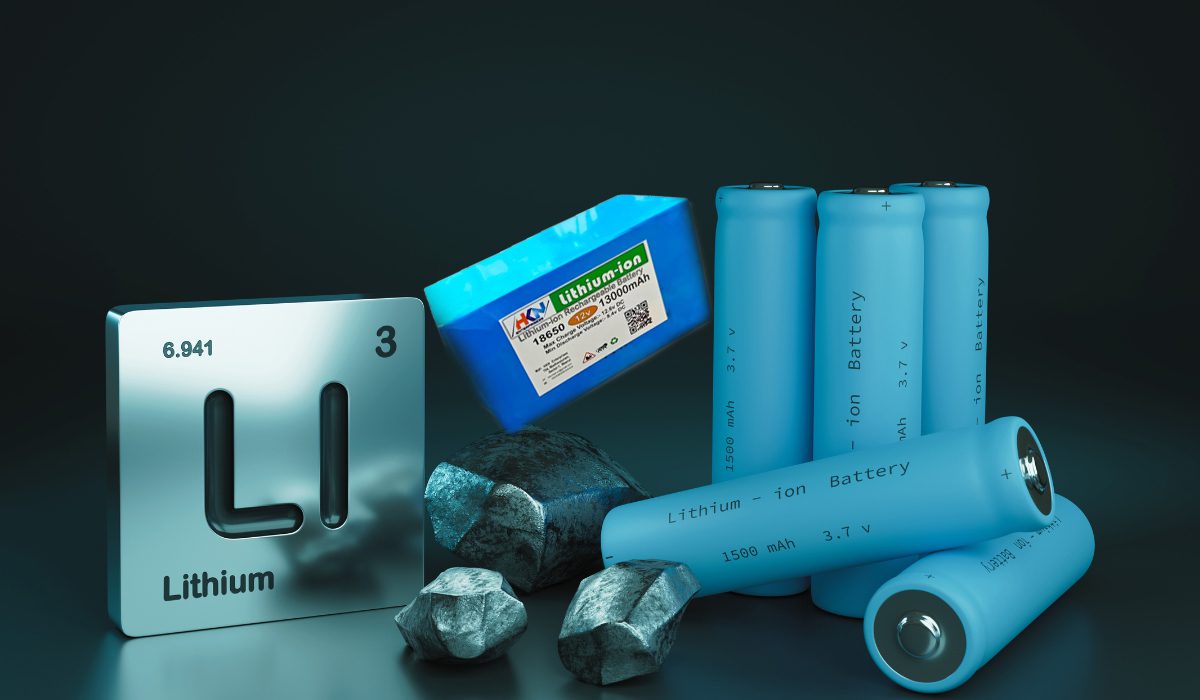
Black mass is a powder-like material produced by shredding end-of-life lithium-ion batteries and battery manufacturing waste. It contains recoverable quantities of valuable minerals, including lithium, cobalt, nickel and manganese, which are essential for battery production, electric vehicles, energy storage systems, electronics and renewable energy technologies.
The government’s decision seeks to ensure that this mineral-rich material generated in India is processed and refined domestically rather than exported for recovery elsewhere.
Strengthening India’s Domestic Recycling Industry
According to the Ministry of Commerce and Industry, India’s battery recycling and critical mineral recovery capabilities have expanded considerably. However, domestic recycling and refining facilities have not been operating at their full potential because of inadequate availability of raw materials.
The export of black mass has contributed to this shortage, with domestic recyclers sometimes having to import material to meet their processing requirements.
By retaining this resource within the country, the government aims to ensure a more reliable supply of raw materials for domestic recycling units, improve capacity utilisation and encourage fresh investments and employment opportunities in the sector.
Supporting India’s Critical Mineral Security
The decision also complements the government’s broader National Critical Mineral Mission (NCMM), which seeks to strengthen India’s access to strategically important minerals and develop resilient domestic supply chains.
An important component of this initiative is the ₹1,500 crore Incentive Scheme for Promotion of Critical Mineral Recycling, approved by the Union Cabinet in September 2025. The scheme supports the development of facilities capable of extracting and producing critical minerals from secondary sources, including used batteries and electronic waste.
Keeping black mass available for domestic processing is expected to support these investments and accelerate the recovery of valuable materials.
Advancing the Circular Economy and Clean Energy Transition
Beyond industrial development, the export prohibition represents an important step towards advancing India’s circular economy ambitions.
Recycling discarded batteries and recovering their mineral content can reduce dependence on fresh mining, minimise resource wastage and support more sustainable manufacturing practices. This approach, often described as ‘urban mining’, turns discarded products into valuable sources of industrial raw materials.
The measure is also expected to strengthen supply chains serving electric mobility, battery manufacturing, renewable energy and advanced energy storage technologies, supporting India’s broader vision of Aatmanirbhar Bharat.
By combining trade policy measures with investment incentives and recycling initiatives, India is working towards building a stronger domestic ecosystem for critical mineral recovery.
The latest DGFT notification therefore marks an important development in India’s journey towards resource security, sustainable industrial growth and a more self-reliant clean energy future.