


Preventive Beauty Diplomacy: How Wellness and Longevity Are Becoming the New Global Soft Power
In 2026, nations are no longer competing only through military power or economic strength. They are also competing through healthcare innovation, wellness ecosystems, longevity science, and quality of life.
Nations are increasingly recognizing that the wellbeing of their populations is not only a healthcare priority, but also a strategic asset that shapes economic resilience, cultural influence, and international reputation.
As the world faces rising healthcare costs, aging populations, chronic diseases, environmental stressors, and growing mental health challenges, a global transformation is taking place. The future of leadership will belong to nations and institutions that invest in prevention rather than reaction, wellness rather than illness, and sustainability rather than short-term solutions.
This transformation has given rise to what may be called “Preventive Beauty Diplomacy” — the integration of preventive healthcare, wellness innovation, healthy aging, and beauty sciences into the broader framework of global soft power and international collaboration.
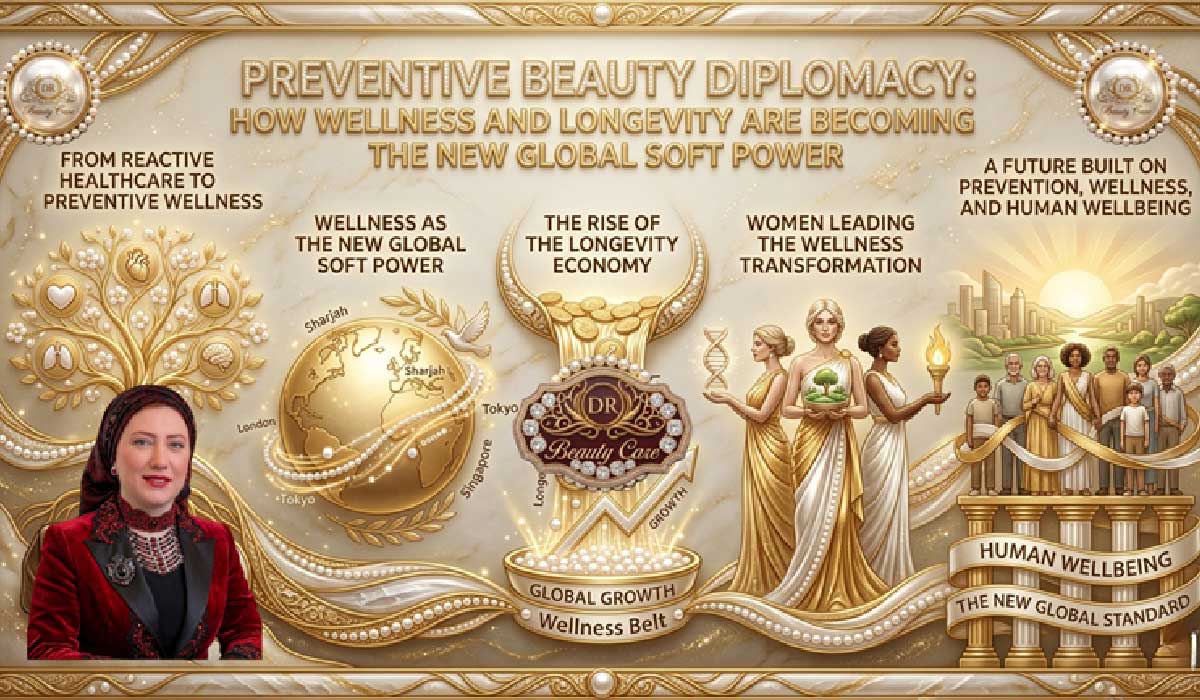
From Reactive Healthcare to Preventive Wellness
For decades, healthcare systems around the world operated primarily under a reactive model: waiting for disease to appear before beginning treatment. However, advances in medical science, biotechnology, diagnostics, nutrition, and wellness research are shifting global priorities toward prevention, prediction, and personalization.
Today, modern healthcare increasingly focuses on identifying risks early, improving quality of life, and promoting long-term wellbeing before serious illness develops. This evolution reflects a larger understanding that health is not simply the absence of disease, but a state of physical, mental, and social wellbeing.
This same philosophy is reshaping the beauty and wellness industries. Beauty is no longer viewed only as an external aesthetic concept. Increasingly, it is connected to internal health, nutrition, stress management, hormonal balance, sleep quality, healthy aging, and preventive lifestyle practices.
The future of beauty is becoming scientific, personalized, and preventive.
The new global healthcare philosophy can be summarized in a simple principle:
“We no longer wait for disease; we predict, prevent, and personalize.”
This preventive approach is influencing not only medicine, but also skincare innovation, nutritional science, pharmaceutical cosmetology, longevity research, and wellness technologies worldwide.
Wellness as the New Global Soft Power
Historically, soft power was associated with culture, education, diplomacy, and media influence. Today, wellness and healthcare innovation are becoming equally powerful tools of international influence.
Countries that successfully build strong wellness ecosystems are increasingly attracting international attention, investment, tourism, and strategic partnerships. Nations are now competing not only in economic performance, but also in their ability to improve human wellbeing and promote healthy lifestyles.
India, for example, has strengthened its international influence through Ayurveda, wellness tourism, yoga diplomacy, and integrative healthcare traditions. Japan continues to inspire the world through its longevity culture, preventive lifestyle habits, advanced healthcare technologies, and emphasis on healthy aging. The United Arab Emirates has emerged as a regional hub for medical tourism, wellness innovation, and healthcare investment.
South Korea has transformed beauty technology and skincare innovation into a global cultural and economic force.
This shift demonstrates that wellness is no longer merely a lifestyle sector; it has become an important pillar of economic diplomacy, cultural diplomacy, and international cooperation.
Preventive beauty, longevity sciences, biotechnology, sustainable healthcare systems, and wellness innovation are becoming part of how nations project influence and build international partnerships in the twenty-first century.
The Rise of the Longevity Economy
One of the most significant global transformations of our time is the rise of the longevity economy.
People are living longer than previous generations, but longevity alone is no longer enough. The global conversation is shifting toward “healthy longevity” — extending not only lifespan, but healthspan, vitality, productivity, and quality of life.
This has created growing demand for preventive diagnostics, personalized nutrition, regenerative medicine, healthy aging technologies, wellness services, mental wellbeing programs, and evidence-based beauty innovations.
The longevity economy is expected to shape the future of healthcare, biotechnology, wellness industries, pharmaceutical research, and global investment trends for decades to come.
However, longevity should not mean spending more years managing illness or dependency. Instead, it should represent a future where individuals maintain energy, dignity, independence, and wellbeing throughout their lives.
Longevity should not mean spending many years managing illness. It should mean spending many years enjoying life.
In this context, sustainability and longevity become deeply interconnected. Sustainable healthcare systems must focus on prevention, education, healthy lifestyles, and long-term wellbeing rather than relying exclusively on expensive late-stage treatments.
True sustainability is not only about extending years of life; it is about adding life to those years.
Women Leading the Wellness Transformation
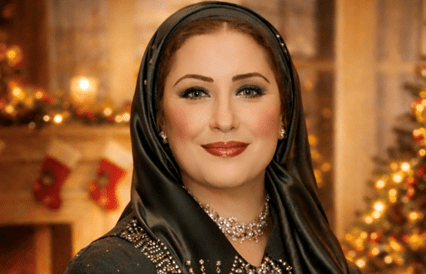
Women are playing a major role in shaping the future of global wellness, preventive healthcare, and beauty innovation.
Across the world, female entrepreneurs, healthcare professionals, researchers, and business leaders are driving innovation in wellness technologies, skincare science, nutritional health, biotechnology, and preventive healthcare solutions.
The beauty and wellness sectors have become important engines of economic empowerment, particularly for women-led enterprises. Beyond economic contribution, women leaders are also redefining the industry itself — shifting the focus away from unrealistic standards and toward holistic wellbeing, self-care, healthy aging, confidence, and scientific wellness.
This transformation creates opportunities for stronger international partnerships, cross-border investments, and collaborative innovation between countries seeking sustainable economic growth and healthier societies.
Women-led innovation in preventive wellness is not only a business opportunity; it is becoming a global force for social and economic transformation.
A Future Built on Prevention, Wellness, and Human Wellbeing
The future of diplomacy may increasingly depend on how nations improve the lives of their people. Countries that invest in wellness, preventive healthcare, healthy longevity, sustainability, and innovation will likely gain stronger influence in the global landscape of the future.
Preventive beauty is no longer simply a luxury industry or cosmetic trend. It is becoming part of a larger international movement centered on human wellbeing, scientific innovation, sustainability, and quality of life.
In the coming decades, healthcare, beauty, longevity, and wellness will become more interconnected than ever before. Governments, businesses, healthcare institutions, and innovators will need to collaborate across borders to create systems that prioritize prevention, resilience, and healthier living.
The nations that lead this transformation may become the next generation of global influencers — not only because of their economic or political power, but because of their ability to improve human life itself.
Ultimately, the future of global leadership may not belong only to those who build the strongest economies or military alliances, but to those who help humanity live healthier, longer, and better lives.
About the Author