Trade relationships are increasingly being built around what countries need from one another beyond imports and exports. Recent moves by India with Rwanda, Belgium, and other partners show how investment, supply chains, technology, and strategic resources are entering trade discussions once handled largely through tariff and market-access negotiations.
Trade Ties Gain a Strategic Dimension
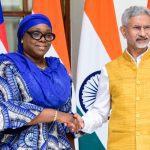
India and Rwanda’s first Joint Trade Committee, launched in July, established a formal mechanism to address trade and investment opportunities across pharmaceuticals, agriculture, manufacturing, mining, renewable energy and digital sectors. The arrangement gives a longstanding diplomatic relationship a more practical economic framework.
India's engagement with Belgium points to an even broader approach. Recent talks covered trade alongside semiconductors, critical minerals, clean energy, technology and defence, while both sides set an objective of doubling bilateral trade over the next five years. Economic cooperation is consequently being linked with industrial capacity and strategic resilience.
Supply Chains Become Part of the Equation
Physical trade infrastructure is gaining similar importance. Ports, freight networks and logistics services increasingly determine how reliably goods can move when geopolitical or commercial disruptions strain established routes. The India logistics market is estimated at USD 281.74 billion in 2026, with continued growth projected through 2032. The scale reflects an economic system in which logistics capacity is closely tied to manufacturing, domestic distribution, and international trade.
From Market Access to Strategic Options
Economic diplomacy is therefore acquiring a broader purpose. Trade agreements still matter, but durable partnerships increasingly depend on investment links, reliable supply chains and access to critical capabilities. For governments, stronger economic ties can provide not only larger markets, but greater room to respond when global trade is disrupted.