



US–China Relations Take a New Turn with Trade and AI Understanding
$30 billion tariff understanding and a new artificial-intelligence dialogue signal an effort to manage rivalry through engagement
The United States and China have opened a new channel for economic and technological engagement, reaching an understanding on more favourable tariff treatment for $30 billion of non-sensitive goods in each direction while agreeing to establish a dialogue on artificial intelligence.
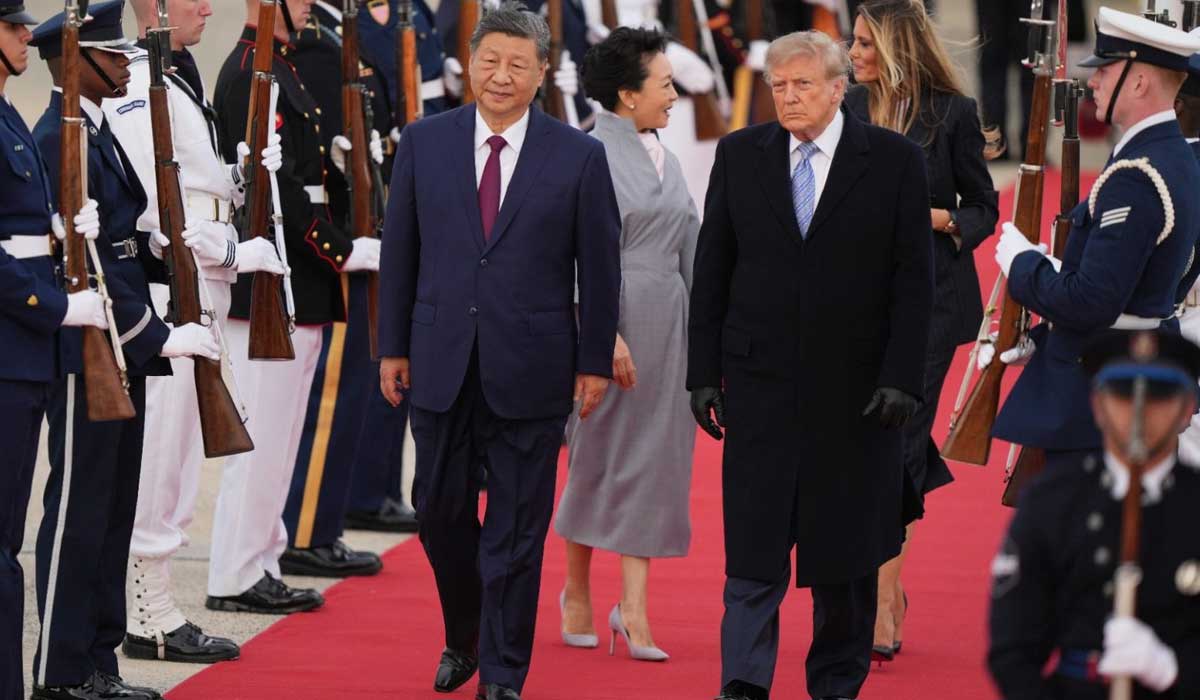
The development followed Chinese President Xi Jinping’s visit to Washington, where discussions focused on areas in which the world’s two largest economies can pursue practical cooperation despite their continuing differences.
Under the understanding announced by the White House, US exports that could receive more favourable tariff treatment include agricultural products, wood and related goods, cosmetics and other non-sensitive items. Chinese products covered on the US side include categories such as small household appliances, toys and decorative goods.
The proposed tariff adjustments could provide some relief to businesses operating across the world’s two largest economies. They also reflect an effort to keep commercial channels functioning while Washington and Beijing continue to address wider disagreements over trade and technology.
Perhaps the most forward-looking element of the latest understanding is the decision to establish a dedicated US-China dialogue on artificial intelligence.
AI has rapidly emerged as a major area of economic competition as well as a subject of international security and governance. The decision by Washington and Beijing to maintain a structured conversation on advanced AI could provide an avenue for discussing both the opportunities and potential risks associated with increasingly powerful technologies.
The two governments are also continuing discussions involving critical minerals and rare-earth supplies, areas that have become increasingly important to global manufacturing and advanced technology.
The latest understandings do not eliminate the broader strategic differences between Washington and Beijing. Instead, they create additional mechanisms for communication while identifying areas where practical cooperation remains possible.
For the global economy, the significance extends beyond bilateral trade. Any sustained improvement in US-China commercial relations could influence supply chains, commodity markets, technology investment and international business confidence.
The emerging message from Washington and Beijing is therefore one of managed engagement: competition remains, but dialogue continues to provide a channel for cooperation where interests overlap.