


India at the UN: Strengthening the Global Shield Against Future Pandemics
At a crucial UN high-level meeting, India calls for resilient health systems, sustained investment and stronger international cooperation to prepare the world for future health emergencies.
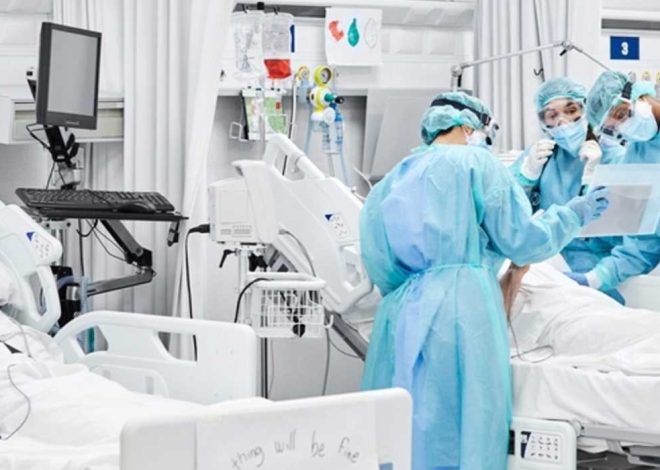
The COVID-19 pandemic demonstrated how quickly a health emergency can cross borders and become a global crisis. Years after the pandemic, the international community continues to confront a fundamental question: how can the world be better prepared when the next major health emergency arrives?
India has placed itself firmly within that global conversation.
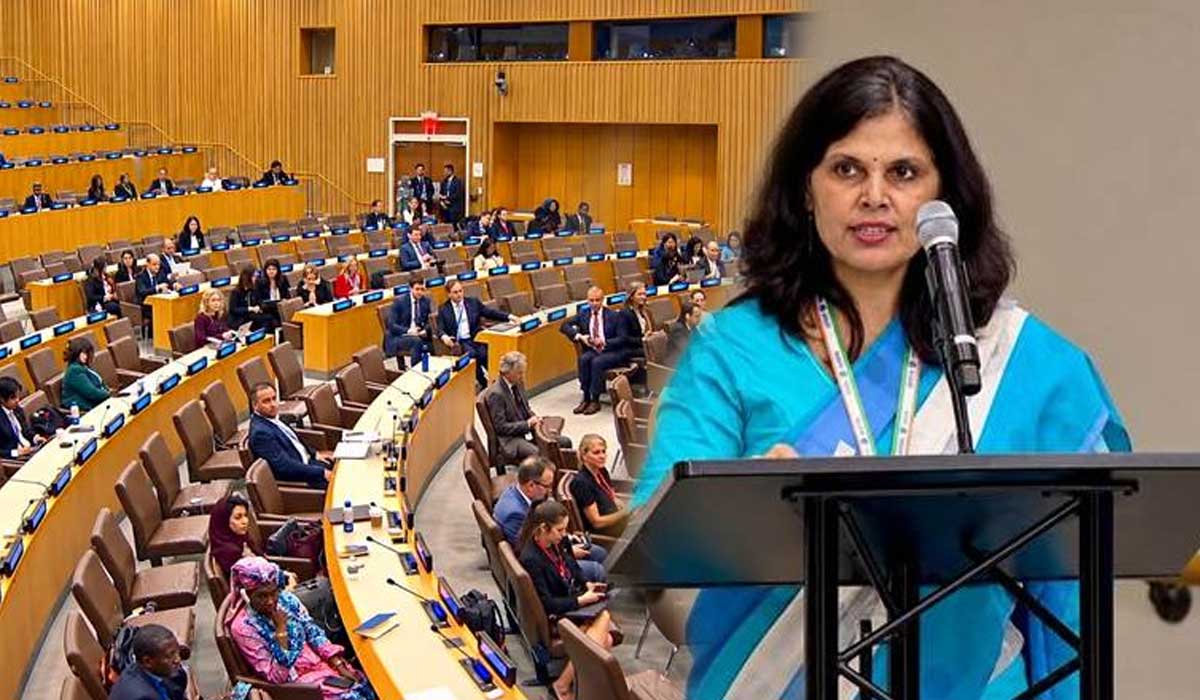
Representing India at the United Nations High-Level Meeting on Pandemic Prevention, Preparedness and Response in New York on 25 September, Union Health Secretary Punya Salila Srivastava reaffirmed India’s commitment to strengthening global health security through international cooperation.
She called for sustained investment, stronger institutional capacity and resilient health systems, drawing on the lessons learned from the COVID-19 pandemic.
Building Resilience Before the Next Crisis
India’s approach places preparedness at the centre of global health security.
The country has been strengthening laboratory networks, emergency coordination mechanisms, healthcare capacity, medical stockpiles and its health workforce. The broader objective is to ensure that pandemic preparedness becomes part of national health systems rather than an emergency response activated only after a crisis begins.
This approach reflects an important lesson from COVID-19: preparedness cannot be built overnight.
It requires continuous investment in healthcare infrastructure, trained professionals, surveillance systems, research capabilities and institutions capable of responding rapidly when new threats emerge.
The Digital Dimension of Health Security
Digital technology is also becoming an increasingly important component of pandemic preparedness.
India has highlighted the potential of digital public infrastructure to support disease surveillance, vaccination programmes, healthcare delivery, information-sharing and emergency response.
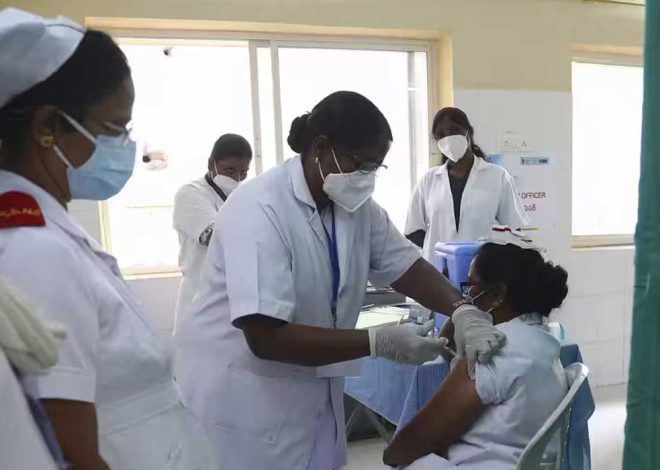
The experience of COVID-19 demonstrated how digital systems can help governments reach populations quickly and coordinate large-scale health interventions.
For developing countries, accessible and adaptable digital health infrastructure could become an important tool in strengthening healthcare systems and reducing gaps in preparedness.
Equity Must Remain at the Centre
Pandemic preparedness cannot be separated from the question of equitable access.
During COVID-19, India supplied vaccines and medical assistance to numerous countries, reflecting its emphasis on international solidarity and the principle of “One Earth, One Health.”
India has also highlighted the importance of ensuring that countries contributing biological resources and pathogens can benefit fairly from the vaccines, diagnostics, therapeutics and technologies developed from them.
Such discussions are becoming increasingly important as the international community works to strengthen the global architecture for future pandemics.
From National Preparedness to Global Security
The message emerging from the UN is clear: pandemic preparedness cannot be the responsibility of one country alone.
Health emergencies do not respect borders. A disease outbreak in one part of the world can rapidly affect societies, economies and healthcare systems elsewhere.
For India, participation in the global pandemic preparedness dialogue provides an opportunity to contribute its experiences while advocating stronger international cooperation, particularly for developing countries and the wider Global South.
The lesson of COVID-19 remains powerful: a health crisis may begin locally, but its consequences can quickly become global.
Strengthening healthcare systems, investing in preparedness, expanding digital capabilities and ensuring equitable access to essential medical tools are therefore not simply healthcare priorities. They are increasingly matters of international cooperation, development and global security.
For Diplomat Today, this is where Medical Affairs becomes a Global Concern — where healthcare extends beyond hospitals and laboratories to become an essential part of diplomacy, international cooperation and the shared security of humanity.