




India – Tunisia Relations Gain Momentum at 6th Foreign Office Consultations in Tunis
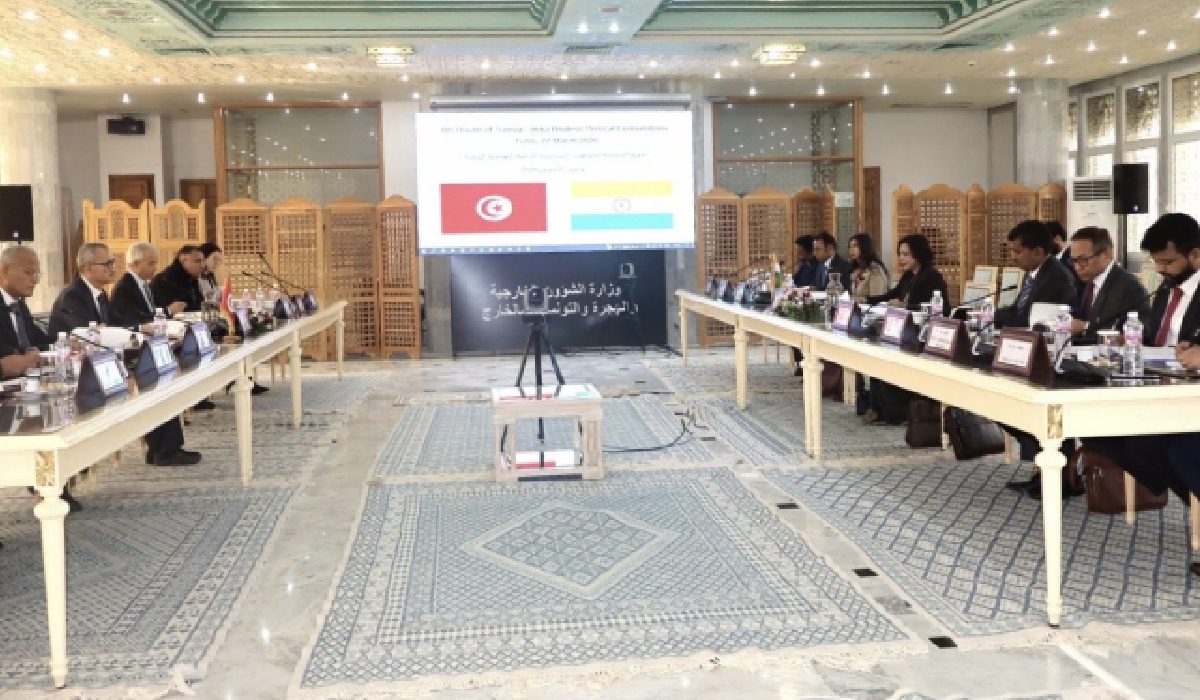
India and Tunisia reaffirmed their growing partnership during the 6th round of Foreign Office Consultations (FOC) held on March 27, 2026, in Tunis, signaling a renewed commitment to deepen cooperation across strategic, economic, and developmental sectors. The consultations highlighted the steady evolution of bilateral ties and underscored a shared vision for expanding engagement in an increasingly interconnected global landscape.
The discussions were co-chaired by Neena Malhotra, Secretary (South) in India’s Ministry of External Affairs, and Mohamed Ben Ayed, Secretary of State at Tunisia’s Ministry of Foreign Affairs, Migration and Tunisians Abroad. Held in a warm and constructive atmosphere, the consultations reflected the long-standing friendship between the two nations, rooted in mutual respect, shared democratic values, and historical solidarity.
Expanding Economic Horizons
A central focus of the consultations was the enhancement of economic cooperation. Both sides emphasized the importance of diversifying trade and boosting bilateral commerce, with a shared goal of achieving higher trade volumes in the coming years. Particular attention was given to the fertilizer sector, where collaboration remains a cornerstone of the relationship through joint ventures and sustained supply chains supporting India’s agricultural needs.
Beyond traditional sectors, India and Tunisia explored opportunities in renewable energy, agriculture, water resource management, healthcare, and digital infrastructure. These emerging areas reflect a forward-looking partnership that aligns with global priorities such as sustainability, innovation, and resilience. The discussions also highlighted the need to encourage greater business-to-business engagement and facilitate investment flows between the two countries.
Strengthening Strategic and Multilateral Cooperation
The consultations went beyond economic matters, encompassing political dialogue, capacity building, and cooperation in multilateral forums. Both countries reaffirmed their commitment to working together at international platforms, including the United Nations, on issues of global importance such as security, development, and climate change.
India’s growing engagement with Africa and the Arab world was also a key point of discussion, with Tunisia seen as an important partner in bridging regional cooperation. Both sides exchanged views on regional developments and emphasized the importance of peace, stability, and counter-terrorism efforts in shaping a secure international environment.
People-to-People and Cultural Connections
Recognizing that strong bilateral relations extend beyond government-level engagement, both nations stressed the importance of cultural exchanges, education, and capacity-building initiatives. These efforts aim to deepen people-to-people connections and foster long-term goodwill between the citizens of India and Tunisia.
Programs in education, training, and skill development were highlighted as effective tools for strengthening mutual understanding and creating new opportunities for collaboration. Tourism and cultural diplomacy were also identified as areas with significant potential for growth.
Charting the Future
The 6th India–Tunisia Foreign Office Consultations mark another important milestone in a relationship that continues to expand in both depth and scope. Both sides expressed satisfaction with the progress achieved and reaffirmed their commitment to maintaining regular dialogue and high-level engagement. It was agreed that the next round of consultations will be held in India at a mutually convenient date.
As India and Tunisia move forward, the consultations reflect a shared ambition to build a dynamic and future-ready partnership, driven by economic cooperation, strategic alignment, and strong people-to-people ties. In a rapidly changing global order, this partnership stands as a testament to the value of sustained dialogue and collaborative growth.