


India’s Multi-Alignment Diplomacy: Navigating a Fragmented Global Order
As the international system undergoes profound geopolitical transformation, India has emerged as one of the few major powers successfully practicing what analysts increasingly describe as “multi-alignment diplomacy” – a strategic approach that seeks to maintain productive relations across competing global blocs while preserving national autonomy and strategic flexibility.
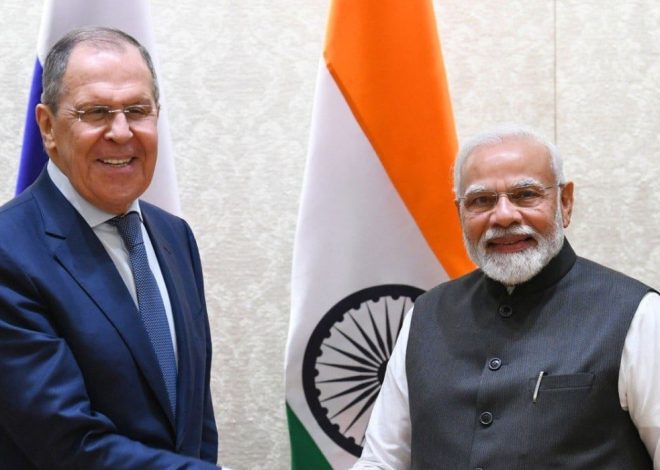
At a time when geopolitical polarization is intensifying between major powers, India’s foreign policy has distinguished itself through calibrated engagement rather than rigid alignment. New Delhi today maintains strategic partnerships with the United States and Europe, continues long-standing defense and energy ties with Russia, deepens economic and connectivity engagement with the Gulf region, and simultaneously strengthens its leadership role within the Global South.
This diplomatic balancing strategy reflects India’s broader vision of “strategic autonomy” — a principle that has guided Indian foreign policy since independence but has acquired renewed significance in today’s multipolar world.
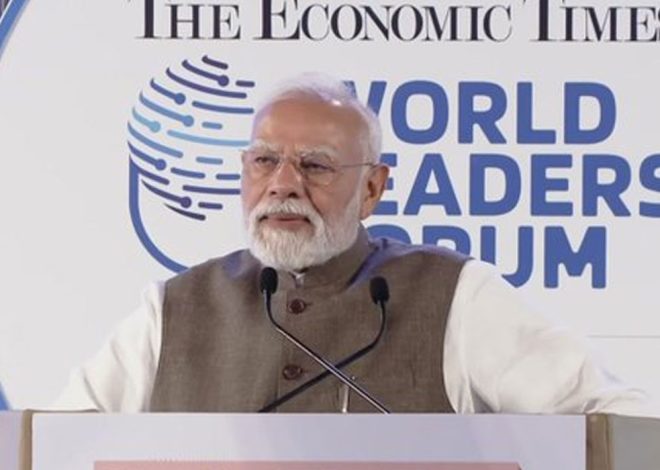
Under Prime Minister Narendra Modi, India has significantly expanded its diplomatic outreach while avoiding exclusive bloc politics. The country has become an active participant in major geopolitical frameworks including the Quad, BRICS, G20, SCO, and I2U2, often engaging simultaneously with states that themselves remain strategic competitors.
India’s participation in the Quadrilateral Security Dialogue alongside the United States, Japan, and Australia reflects its growing concern regarding Indo-Pacific security and maritime stability. Yet New Delhi has also preserved deep strategic and defense cooperation with Moscow, despite mounting Western pressure following the Russia-Ukraine conflict.
This balancing act has drawn international attention.
While several countries have struggled to navigate growing geopolitical divisions, India has largely managed to maintain constructive engagement with all major power centers without compromising its independent policy positions. Analysts argue that India’s approach increasingly reflects the realities of a fragmented global order in which middle and emerging powers seek flexibility rather than permanent alignment.
Economic considerations have also become central to India’s diplomatic strategy.
India has intensified trade negotiations with multiple regions, expanded energy partnerships in the Gulf, strengthened semiconductor and technology cooperation with Japan and the United States, and accelerated connectivity initiatives linking South Asia, the Middle East, and Europe.
The launch of the India-Middle East-Europe Economic Corridor (IMEC) during the G20 Summit in New Delhi highlighted India’s growing interest in economic connectivity diplomacy. The initiative aims to strengthen trade and infrastructure integration across regions while offering alternative strategic supply routes.
Simultaneously, India has expanded its diplomatic engagement with Africa, Southeast Asia, and Latin America through development partnerships, digital public infrastructure initiatives, capacity building programs, and South-South cooperation.
India’s presidency of the G20 further reinforced its aspiration to position itself as a leading voice of the Global South. New Delhi repeatedly emphasized issues such as food security, climate finance, debt sustainability, digital inclusion, and equitable development — concerns particularly relevant to developing nations.
India’s multi-alignment policy also reflects changing global realities.
The world is increasingly transitioning from a unipolar framework toward a more complex and competitive multipolar order. In such an environment, countries with demographic strength, economic potential, strategic geography, and diplomatic flexibility are expected to play a greater role in shaping emerging international structures.
For India, this moment presents both opportunities and challenges.
Balancing diverse strategic relationships requires careful diplomatic calibration, particularly as tensions between major powers continue to intensify. Nevertheless, India’s ability to engage across competing geopolitical platforms has strengthened its global profile and expanded its diplomatic influence.
As global uncertainty deepens, India’s model of multi-alignment diplomacy may increasingly become a defining feature of twenty-first century international relations — one rooted not in ideological alignment, but in strategic pragmatism, national interest, and diversified global engagement