

BRICS Justice Ministers Push for Stronger Legal Cooperation and Alternative Dispute Resolution
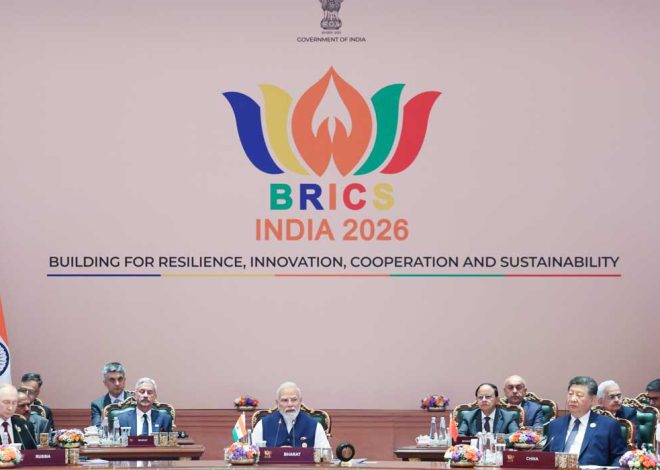
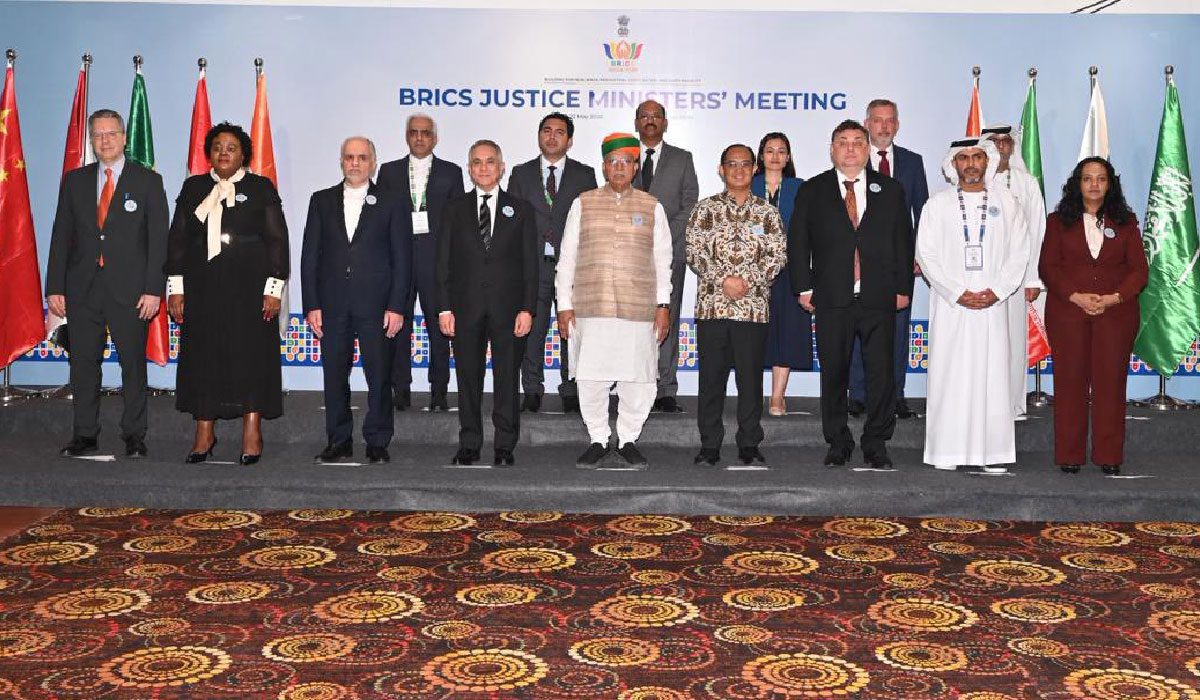
As BRICS countries seek to enhance institutional and legal cooperation among economies of the Global South, India hosted the third meeting of the BRICS Justice Ministers in Ahmedabad on May 21 and 22, 2026, with a growing focus on alternative dispute resolution mechanisms as a cornerstone for supporting investment and economic stability.
India's hosting of the meeting reflects New Delhi's commitment to strengthening legal and institutional cooperation within the BRICS group, as it seeks to solidify its role as a key driver of cooperation among economies of the Global South.
On the sidelines of the meeting, Indian Minister of Law and Legal Affairs, Arjun Ram Meghwal, met with Egyptian Minister of Justice, Mahmoud El-Sherif, in Ahmedabad, India.
Discussions between the two sides focused on expanding cooperation between India and Egypt in the judicial sector.
The third meeting of BRICS justice ministers reaffirmed the importance of strengthening legal and judicial cooperation among member states, with a focus on alternative dispute resolution mechanisms as a key tool for supporting economic and trade stability within the group.
During the meeting, the BRICS Justice Ministers’ Declaration on Strengthening Alternative Dispute Resolution through Capacity Building in Mediation and Arbitration was adopted.
The declaration emphasized the importance of continuing dialogue and cooperation among BRICS countries on legal and institutional matters of common interest, encouraging capacity-building initiatives and professional training programs for stakeholders, promoting pre-litigation mediation, including raising awareness of this option as an early and effective means of dispute resolution, and exploring the role of digital technologies in enhancing accessibility and efficiency of dispute resolution mechanisms.
Egyptian Minister of Justice, Counselor Mahmoud Helmy El-Sherif, participated in the BRICS Justice Ministers’ meeting and, in his address, commended India’s presidency of the current BRICS group.
He expressed Egypt's keenness to actively and effectively participate in BRICS meetings and mechanisms, and to enhance international cooperation among the member states in all areas, including legal and judicial matters.
He added that this meeting comes at a time when there is a growing need for more flexible and effective justice systems capable of responding to contemporary legal and institutional challenges. Justice is no longer measured solely by the ability to access courts, but also by the speed of procedures, the clarity of rules, the efficiency of institutions, and the availability of effective legal alternatives for dispute resolution.
He affirmed Egypt's welcome of the proposed declaration by the BRICS Ministers of Justice concerning the promotion of alternative dispute resolution methods, particularly mediation and arbitration, through capacity building. He commended the flexibility shown by the representatives of the member states during the negotiations on the final wording of the declaration and their responsiveness to Egypt's proposals to introduce some amendments.
In his speech, he also noted that Egypt—one of the world's oldest civilizations—first incorporated arbitration as a means of resolving civil and commercial disputes in the Code of Civil and Commercial Procedure issued in 1883. He added that Egypt has kept pace with global developments and reviewed the evolution of the legislative and institutional framework related to alternative dispute resolution methods.
He explained that Egypt attaches great importance to mediation, arbitration, and other alternative dispute resolution methods. He clarified that these methods do not replace the judiciary but rather complement the formal justice system by reducing unnecessary litigation, encouraging amicable solutions, and enabling courts to focus their resources on disputes requiring full judicial adjudication.
He emphasized that alternative dispute resolution is no longer an option but a crucial necessity, forming a fundamental pillar for supporting the investment climate, building trust between the state and investors, providing a fair and transparent investment environment, and enhancing our countries' standing as safe investment destinations. Investment requires swift justice before economic gain, and therefore, alternative dispute resolution methods such as mediation and arbitration are considered the primary guarantee for investment.
He concluded his remarks by emphasizing the importance of activating the declaration adopted during the meeting, establishing a mechanism to monitor its implementation, continuing dialogue and cooperation among member states on key legal and institutional issues of common interest, and the necessity of holding regular meetings of justice ministers from member states, as well as other meetings at the official and expert levels, to facilitate the exchange of perspectives and best practices and the transfer of expertise.
Observers believe that the increasing focus within BRICS on mediation and arbitration reflects a broader trend toward creating a more efficient and attractive legal environment for cross-border investments, especially given the growing role of the bloc's economies in global trade.
About the Author