




PM Modi Calls for a New Agricultural Revolution: Natural Farming, Solar Energy and Technology to Shape India’s Farming Future
Addressing Kisan Tak Bharat Agriculture Conference 2026, Prime Minister highlights sustainable agriculture, crop diversification, women-led innovation, farmer prosperity and India’s growing position in global agricultural markets.
Prime Minister Narendra Modi has called for a comprehensive transformation of India’s agricultural sector, emphasising natural farming, technological innovation, crop diversification and alternative income opportunities as essential pillars of a prosperous farming future.
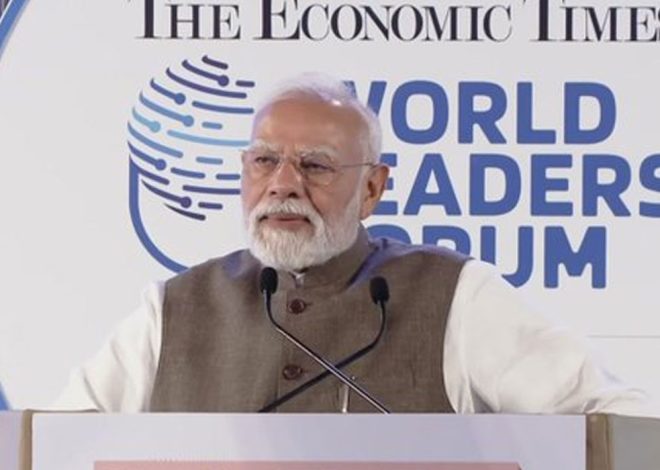
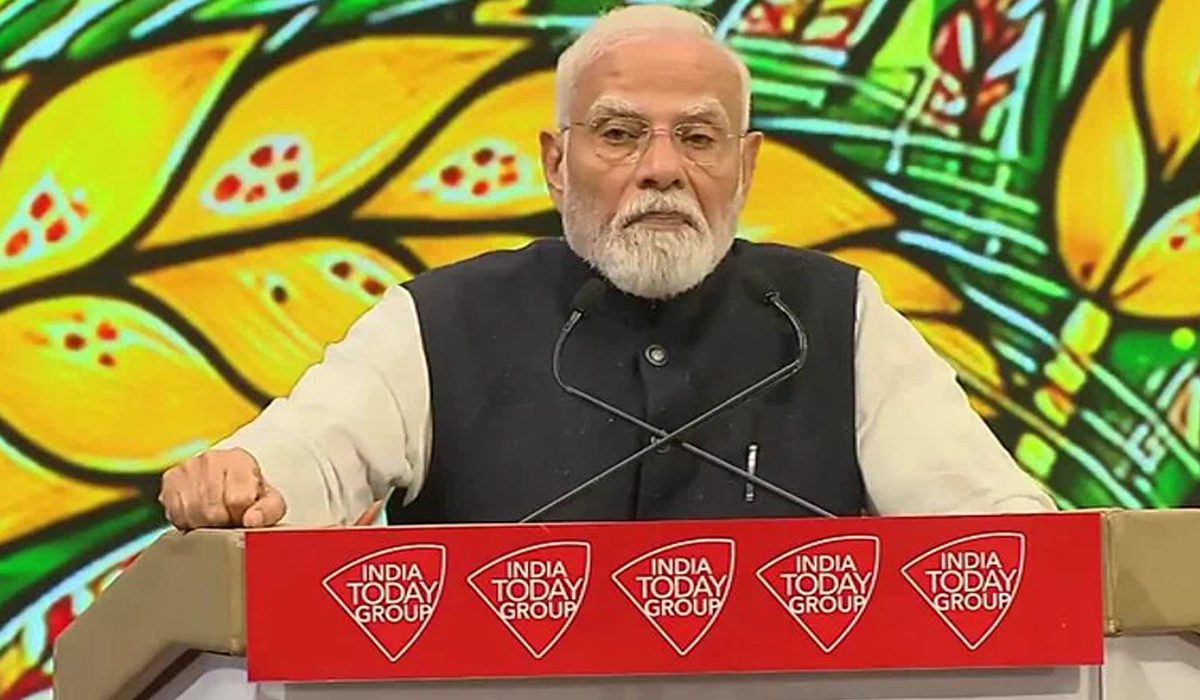
Addressing the Kisan Tak Bharat Agriculture Conference 2026 at Bharat Mandapam in New Delhi on 12 November, the Prime Minister stressed that the vision of a developed India cannot be achieved without modernising agriculture and empowering farmers.
Held under the theme “Smart Kisan, Viksit Bharat”, the conference brought together nearly 2,000 farmers, policymakers, agricultural scientists, industry representatives and other stakeholders to discuss the future of Indian agriculture.
Natural Farming and Protection of Soil Health
A significant message from the Prime Minister’s address was the need to protect agricultural land and preserve soil health.
Drawing attention to the growing dependence on chemical inputs, he urged farmers to reflect on the impact of excessive chemical use on the environment and agricultural sustainability. He emphasised the importance of protecting Mother Earth and encouraging farming practices that maintain the long-term health of the soil.
The message reinforces the importance of natural and organic farming approaches, which can contribute to more sustainable agricultural production.
Crop Diversification and Multiple Income Opportunities
The Prime Minister also encouraged farmers to move beyond traditional crop cultivation and explore opportunities in allied agricultural activities.
He highlighted India’s achievements in dairy, fisheries and horticulture, stressing that farmers should develop multiple sources of income rather than depending exclusively on conventional crop production.
India’s agricultural performance has remained strong, with average annual growth exceeding four per cent over the past decade, according to the Prime Minister.
He also highlighted India’s growing agricultural export potential, noting that the country exports agricultural products worth more than ₹4 lakh crore annually.
Solar Energy Turning Farmers into Energy Producers
Highlighting the growing relationship between agriculture and renewable energy, Modi spoke about the solar power revolution and its potential to transform rural livelihoods.
He described how farmers, traditionally recognised as food providers or ‘Annadatas’, are increasingly becoming ‘Urjadatas’ (energy providers).
Under the PM-KUSUM scheme, solar pumps and solar power installations are helping farmers reduce electricity expenses while creating additional income opportunities through electricity generation.
The Prime Minister highlighted that approximately 12,000 solar pumps had been provided under the initiative.
Namo Drone Didis: Women Leading Agricultural Innovation
Another important highlight was the contribution of women through the Namo Drone Didi initiative.
The Prime Minister noted how women are using drones to spray fertilisers and pesticides, demonstrating that advanced technologies can successfully reach rural communities.
Beyond improving agricultural operations, the initiative is creating new professional opportunities for women and strengthening their participation in the rural economy.
He shared an example of a woman from Jharkhand whose social standing in her village had changed after becoming a drone pilot, illustrating the wider social impact of technology-led empowerment.
Strengthening India’s Agricultural Leadership
The Prime Minister also highlighted India’s achievements in agricultural production, including its leading position in milk, pulses, jute and rice production, alongside its strong performance in wheat, cotton, fruits, vegetables and fisheries.
These achievements demonstrate the importance of scientific research, improved farming practices and investment in agricultural infrastructure.
The conference also highlighted the role of food processing, domestic brands and agricultural entrepreneurship in increasing the value of Indian agricultural products and strengthening their international competitiveness.
Building a Smart and Self-Reliant Agricultural Future
The Kisan Tak Bharat Agriculture Conference provided a platform for bringing farmers’ experiences into discussions on agricultural science, technology, policy and industry.
The Prime Minister’s message underlined that India’s agricultural transformation must go beyond increasing production. It must also improve farmers’ incomes, protect natural resources, expand market opportunities and create sustainable livelihoods across rural communities.
By promoting natural farming, renewable energy, digital innovation and diversified agricultural activities, India is seeking to build a more resilient and competitive farming ecosystem.
The vision of ‘Smart Kisan, Viksit Bharat’ places farmers at the centre of national development, recognising their contribution not only to food security but also to economic growth, environmental sustainability and India’s emergence as a significant global agricultural power.